What is a feeder chute? For anyone in manufacturing, packaging, or even logistics, you’ve probably seen these weirdly angled, metal (or sometimes plastic) tubes in factories and warehouses—you just didn’t know what they were called. I’m the guy who builds and supplies feeder chutes for a living, and I get the question all the time, especially from new plant managers or warehouse leads who are trying to fix their assembly line bottlenecks. Let’s break this down like we chat in the break room, no fancy jargon. Feeder
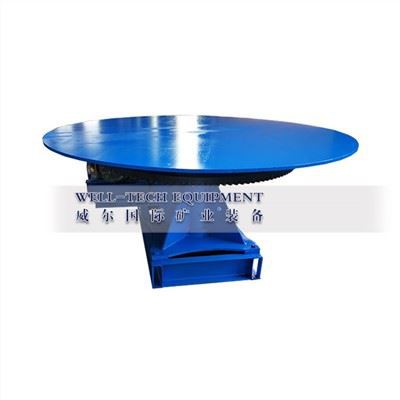
First, let’s start with the basics. A feeder chute is a gravity-powered (wait, almost always gravity-powered—rarely electric, but we’ll get to that) channel that moves small to medium-sized parts, components, or even finished products from one spot in a facility to another. No belts, no motors, no extra parts; just a sloped surface that lets stuff slide down because of gravity. That’s the core. But why would a manufacturing plant care? Let’s paint a picture: imagine you’re assembling smartphone chargers. You have a machine that makes the plastic casing, another that inserts the wiring, another that adds the USB port. If you just drop casings on the floor, you’re wasting time picking them up, maybe stepping on them, breaking parts. A feeder chute takes those casings right from the first machine, drops them (smoothly, not violently) into the next machine’s feeding bin, no human touch needed. That’s the big value: it cuts labor, lowers damage, keeps lines moving fast.
Wait, but it’s not just for small parts. We do feeder chutes that move small bottles for beverage plants, even tiny pill blister packs for pharma. And sometimes, depending on the part, we make them out of different materials. Food-grade stainless steel for stuff that touches edibles, polypropylene plastic for lighter, non-harsh parts, even aluminum for lighter, high-volume setups. The key here is that the chute has to fit the part—you can’t use a 2-inch wide chute for a 1-inch screw, and you can’t use a smooth plastic chute for parts that might stick, like sticky candy or greasy machine parts. We actually modify the surface texture sometimes: add a little rough grit if things are sliding too slow, or a Teflon coating if we need super-smooth movement for fragile parts like glass vials.
Let’s get into how they work, because it’s not just “slap a tube at an angle.” The slope is make-or-break. If the slope is too flat, parts get stuck halfway. If it’s too steep, they slide too fast, bounce, crack, or jam at the bottom. For most standard metal parts, we use a 15 to 30-degree angle—enough to get steady movement without chaos. For delicate stuff, maybe 10 degrees, because you don’t want a glass jar slamming into the end. We also add little features: side rails on the edges so parts don’t fall out, tiny dividers to space parts out evenly (that’s called a “orienting feeder chute,” by the way) so the next machine doesn’t get a pile of parts all at once. Oh, and we build in adjustment points—some of our chutes let you tweak the slope on the fly if a plant switches parts from small screws to slightly bigger nails. That’s a big win for facilities that do multiple product runs.
Now, why would you need a feeder chute vs. other moving solutions? Let’s compare. Conveyors are for longer distances, right? But if you just need to move parts 10 feet from one machine to the next, a feeder chute is way cheaper. Conveyors need motors, belts, maintenance, replacement parts. A feeder chute—we built ours to last, really—just needs to be cleaned every once in a while, no regular repairs. We’ve had a customer use the same feeder chute we installed 8 years ago for their auto parts line, just a quick wipe down monthly, and it’s still going strong. Also, feeder chutes take up way less floor space than conveyors. If your plant is tight on room, which most factories are, a sloped chute hanging between two machines uses vertical space instead of taking up precious horizontal real estate.
But wait, there are common mistakes people make when they first look for a feeder chute. I see this all the time: a plant manager buys a cheap, generic chute from a random supplier, and it doesn’t work for their parts. Maybe the chute is too narrow, so parts jam. Or the angle is wrong, so parts get stuck. Or it’s made of the wrong material, so a sticky part like cookie dough clings to it. That’s why we ask so many questions when someone reaches out to us: what part are you moving? How heavy is it? What’s your line speed? Do you need it to fit into a tight space? Those details matter. For example, a feeder chute for a 0.5-gram electronic component is way different than one for a 5-pound car engine part. The heavier the part, the steeper the slope needs to be, but not so steep that the part hits the bottom too hard.
Another thing: we also build custom feeder chutes, not off-the-shelf ones. Because every facility is different. Last year, a medical device company reached out to us—they needed a chute that moves tiny insulin pen caps from their molding machine to the assembly line, but the line is around a corner, so a straight chute wouldn’t work. We designed a curved feeder chute, sloped just right, with side rails that keep the caps from falling off around the bend. No more manual transport, no more broken caps, their line speed went up 20% after we installed it. That’s the stuff we do—solve specific problems, not just sell a metal tube.
Wait, let’s clear up a common mix-up: feeder chutes vs. vibratory feeders. A lot of people use those two terms interchangeably, but they’re not the same. A vibratory feeder uses tiny motors to shake parts along a track, good for small parts that need to be oriented a certain way (like making sure a screw’s head is pointing up). But vibratory feeders are more expensive, use electricity, and need regular maintenance. Feeder chutes are gravity-powered, cheaper, lower maintenance, and better for parts that don’t need to be oriented super specifically—just moved from A to B. We usually tell customers: if you’re moving parts between two machines that are on the same level, or even slightly offset, a feeder chute is probably the right call. If you need parts sorted or oriented, maybe add a vibratory feeder after the chute, but the chute itself is for the bulk movement.
Now, let’s talk about maintenance, because even though feeder chutes are low-effort, they’re not set-it-and-forget-it. The main things to check are: are the side rails still tight? If they start to bend, parts can fall out. Is the surface clean? Grease, dust, or leftover parts can build up and cause jams. Is the slope still right? If the structure the chute is mounted to shifts over time, the angle could flatten, leading to stuck parts. We actually give all our customers a quick maintenance checklist when we install their chute, and we offer annual check-ins if they want—just a quick 20-minute visit to make sure everything’s working. No big deal, just peace of mind.
I get why some people might overlook feeder chutes. They’re not flashy, like a new robotic arm or a fancy assembly machine. But they’re the unsung heroes of the production line. Think about it: without a good feeder chute, every time a machine finishes a batch of parts, someone has to grab them, carry them over, and load the next machine. That’s wasted labor, slow output, higher error rates. We’ve had customers tell us that after switching to our custom feeder chutes, their labor costs went down 15% because they moved one person off part transport to a more high-skill task, and their line downtime dropped by almost half because there were fewer jams and broken parts.
So, who actually uses feeder chutes? Almost every industry, honestly. Manufacturing: auto parts, electronics, appliances. Packaging: small boxes, bottles, pouches. Food and beverage: candy, granola bars, frozen veggies. Pharma: pill blister packs, vials, syringes. Even logistics: warehouses that sort small packages, moving them between conveyors. It’s not a niche product—if you have parts that need to move between points in a facility, there’s a feeder chute that fits your needs.
Wait, let’s address a question I get a lot: can a feeder chute be customized for weird parts? Last month, a customer makes decorative ceramic mugs—they needed a chute that moves mugs from their kiln area to the packaging line, but the mugs are curved, and some have handles that stick out, so a regular chute would make them tip over. We designed a chute with small contour slots—exactly shaped to fit the mug’s curve—so they slide right, no tipping, no chipping. That’s the fun part of the job, honestly, solving those weird, specific problems that generic suppliers can’t handle.
Now, if you’re here because you’re dealing with bottlenecks on your line, or you’re tired of manual part transport, let me be clear: a bad feeder chute can cause more problems than it solves, but a good, custom one is one of the most cost-effective upgrades you can make to your facility. We don’t sell a one-size-fits-all tube—we ask about your line, your parts, your space, and build something that fits exactly. No overpaying for features you don’t need, no settling for a generic part that doesn’t work.
If you’re curious about how a feeder chute would work for your setup, or you have a problem with your current one that’s not working, just reach out. We don’t push hard sales; we walk you through what we’d suggest, answer all your questions, no jargon, no fine print. We’ve worked with small shops with 5 employees and big factories with 500, so we know how to tailor solutions for any size.

At the end of the day, a feeder chute is just a simple tool, but when it’s built right, it makes a huge difference. It’s the thing that keeps parts moving, lines running, and workers not spending half their day bending over to pick up dropped components. It’s not glamorous, but that’s why it’s so important. If you’re tired of dealing with jams, broken parts, or wasted labor, let’s talk about what you need. We can help you figure out if a feeder chute is the right fix, and if so, build one that works for you.
Mining Grinding References
- Groover, M.P. (2020). Automation, Production Systems, and Computer-Integrated Manufacturing. Pearson Education.
- Industry Report on Material Handling Equipment, 2022. Material Handling Industry Association.
- Custom Manufacturing Solutions, 2023. Small Factory Operators’ Association.
Jiangxi Well-tech International Mining Equipment Co., Ltd.
Jiangxi Well-tech International Mining Equipment Co., Ltd. is one of the most professional feeder manufacturers and suppliers in China, featured by quality products and good service. Please rest assured to wholesale customized feeder at competitive price from our factory.
Address: Guzhang Industrial Park of Shicheng County, Ganzhou City, Jiangxi Province, China
E-mail: mily@benefication.com
WebSite: https://www.cn-welltech.com/
