Hey there! As a supplier of biostimulants fertilizers, I get asked a ton of questions about what kind of products work best for different soil types. And you know what? It’s a super important question. After all, using the right biostimulants can make a huge difference in how well your plants grow. So, let’s dive right in and talk about whether there are specific biostimulants fertilizers for different soil types. Biostimulants Fertilizer
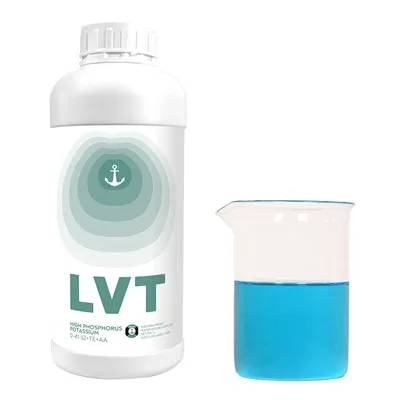
First off, let’s quickly go over what biostimulants are. Biostimulants are substances or microorganisms that, when applied to plants or the soil, can enhance plant growth, improve nutrient uptake, increase stress tolerance, and boost overall plant health. They’re not like traditional fertilizers that provide nutrients directly. Instead, they work by stimulating natural processes in the plants.
Now, onto the different soil types and the biostimulants that can be a good fit for each.
Sandy Soil
Sandy soil is known for its large particles, which means it drains water really quickly. The downside is that it doesn’t hold onto nutrients well, and it can dry out fast. So, what kind of biostimulants can help here?
One great option is humic acids. Humic acids are organic compounds that can improve the structure of sandy soil. They help to bind the sand particles together, creating small aggregates. This makes the soil better at holding onto water and nutrients. When the soil can retain water and nutrients, plants have a better chance of getting what they need to grow.
Another biostimulant that works well in sandy soil is seaweed extracts. Seaweed extracts are rich in vitamins, minerals, and growth hormones. They can stimulate root growth, which is super important in sandy soil. Stronger roots can reach deeper into the soil to find water and nutrients that might otherwise be lost. Plus, seaweed extracts can also improve the plant’s ability to withstand drought stress, which is a common problem in sandy soil.
Clay Soil
Clay soil is the opposite of sandy soil. It has very small particles, which means it holds onto water really well but doesn’t drain well. It can also become compacted easily, making it hard for plant roots to grow.
For clay soil, biochar is a great biostimulant. Biochar is a type of charcoal that is made from organic materials. When added to clay soil, it can improve the soil’s structure. It helps to break up the compacted clay, creating more pore space. This allows for better water drainage and air circulation in the soil. As a result, plant roots can grow more easily, and the soil becomes more fertile.
Mycorrhizal fungi are also a good choice for clay soil. These fungi form a symbiotic relationship with plant roots. They can help the plants to access nutrients that are otherwise locked up in the clay. The fungi extend the root system, allowing the plants to take up more phosphorus and other nutrients from the soil. This can lead to better plant growth and health.
Loamy Soil
Loamy soil is often considered the ideal soil type. It has a good balance of sand, silt, and clay, which means it drains well and holds onto nutrients. But even loamy soil can benefit from biostimulants.
Amino acids are a great biostimulant for loamy soil. Amino acids are the building blocks of proteins, and they play a crucial role in plant growth and development. They can help to improve the plant’s resistance to diseases and pests. When plants are healthy, they can make the most of the nutrients in the loamy soil.
Plant growth-promoting rhizobacteria (PGPR) are another option for loamy soil. These bacteria live in the rhizosphere, which is the area around the plant roots. They can help to fix nitrogen, solubilize phosphorus, and produce plant growth hormones. By doing so, they can enhance plant growth and productivity in loamy soil.
Acidic Soil
Acidic soil has a low pH, which can make it difficult for plants to take up certain nutrients. For example, in acidic soil, iron and aluminum can become more available, which can be toxic to plants.
Lime is often used to raise the pH of acidic soil, but biostimulants can also play a role. Calcium-based biostimulants can help to neutralize the acidity in the soil. Calcium is an important nutrient for plants, and it can also help to improve the soil structure.
Some beneficial bacteria can also thrive in acidic soil and help the plants. For example, acid-tolerant bacteria can help to break down organic matter and release nutrients in a form that plants can use.
Alkaline Soil
Alkaline soil has a high pH, which can also limit the availability of certain nutrients. In alkaline soil, iron, manganese, and zinc can be less available to plants.
Chelated micronutrients are a good biostimulant option for alkaline soil. Chelation is a process that binds the micronutrients to an organic molecule, which helps to keep them in a soluble form. This makes it easier for plants to take up these nutrients in alkaline soil.
Some plant growth regulators can also be used in alkaline soil. They can help to regulate the plant’s growth and development in the face of nutrient limitations.
Now, you might be thinking, "That’s all great, but how do I know which biostimulants to choose?" Well, the first step is to get your soil tested. A soil test can tell you the pH, nutrient levels, and texture of your soil. Based on the results, you can choose the biostimulants that are best suited for your soil type.
If you’re still not sure, don’t worry! That’s where I come in. As a biostimulants fertilizer supplier, I’ve got a lot of experience in this area. I can help you figure out which products will work best for your specific soil conditions. Whether you’ve got sandy soil, clay soil, or something in between, I’ve got the right biostimulants for you.
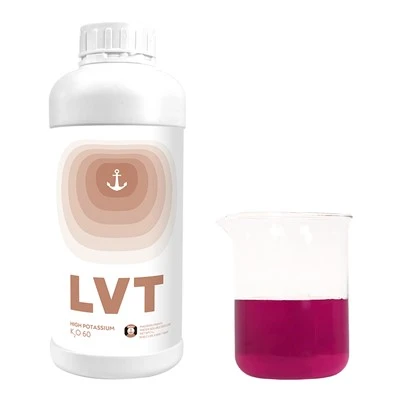
So, if you’re looking to improve your soil health and boost your plant growth, why not give biostimulants a try? And if you have any questions or want to discuss your options, just reach out. It’s always a pleasure to talk about how we can make your soil and plants healthier.
Calcium Magnesium Suspension Fertilizer References
- Marschner, P. (2012). Mineral Nutrition of Higher Plants. Academic Press.
- Smith, S. E., & Read, D. J. (2008). Mycorrhizal Symbiosis. Academic Press.
- Vaughan, D., & Malcolm, R. E. (1985). Soil Organic Matter. Elsevier.
Weifang Lvweite Bio-Tech Co., Ltd.
With abundant experience, we are one of the leading manufacturers and suppliers of biostimulants fertilizer in China. Please rest assured to buy bulk high quality fertilizers made in China here from our factory. If you have any enquiry about cooperation, please feel free to email us.
Address: No. 6 Xinchuan Rd, Xin’an Street, Anqiu City, Shandong, China
E-mail: info@lvtfertilizer.com
WebSite: https://www.lvtfertilizer.com/
