As a seasoned supplier of stainless steel sheets and plates, I’ve witnessed firsthand the profound influence that hardness exerts on their applications and performance. In this blog post, I’ll share my insights on how the hardness of stainless steel sheets and plates affects their use, drawing on my years of experience in the industry. Stainless Steel Sheet/Plate
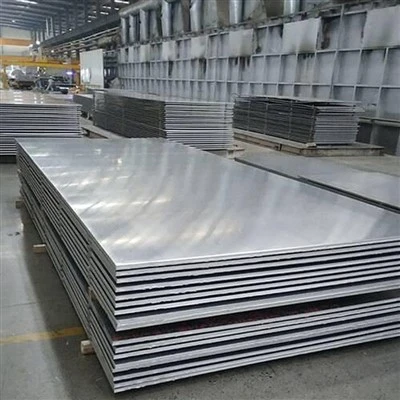
Understanding Hardness in Stainless Steel
Hardness is a fundamental property of stainless steel that refers to its resistance to deformation, indentation, or scratching. It is a crucial factor in determining the suitability of stainless steel sheets and plates for various applications. The hardness of stainless steel is typically measured using standardized tests, such as the Rockwell, Brinell, or Vickers hardness tests.
The hardness of stainless steel can vary significantly depending on several factors, including the chemical composition, heat treatment, and cold working processes. Different grades of stainless steel have different inherent hardness levels, with some grades being naturally harder than others. For example, martensitic stainless steels are generally harder and more wear-resistant than austenitic stainless steels due to their higher carbon content and different microstructure.
Impact of Hardness on Machinability
One of the primary ways in which hardness affects the use of stainless steel sheets and plates is through its impact on machinability. Harder stainless steel is more difficult to machine, as it requires more force and specialized cutting tools to shape and form. This can result in increased machining time, higher tool wear, and potentially lower production rates.
When machining hard stainless steel, it is essential to use appropriate cutting tools and machining parameters to ensure optimal performance. High-speed steel (HSS) or carbide cutting tools are commonly used for machining stainless steel, with carbide tools being preferred for harder grades due to their superior hardness and wear resistance. Additionally, using coolant or lubricant during machining can help to reduce friction and heat generation, improving tool life and surface finish.
Effect on Weldability
The hardness of stainless steel sheets and plates also plays a crucial role in their weldability. Welding is a common joining process used in the fabrication of stainless steel products, and the hardness of the base material can significantly affect the quality and integrity of the weld.
Harder stainless steel is more prone to cracking and distortion during welding, as the high heat input can cause rapid expansion and contraction of the material. This can lead to the formation of residual stresses and cracks in the weld zone, compromising the strength and durability of the joint. To minimize these risks, it is essential to use appropriate welding techniques and pre- and post-weld heat treatments when working with hard stainless steel.
For example, preheating the base material before welding can help to reduce the cooling rate and minimize the formation of residual stresses. Post-weld heat treatment, such as annealing or stress relieving, can also be used to improve the ductility and toughness of the weld zone and reduce the risk of cracking.
Influence on Corrosion Resistance
Corrosion resistance is another critical factor to consider when using stainless steel sheets and plates, and the hardness of the material can have a significant impact on its ability to resist corrosion. In general, harder stainless steel is more resistant to wear and abrasion, which can help to protect the surface of the material from damage and prevent the formation of corrosion sites.
However, the relationship between hardness and corrosion resistance is not always straightforward. In some cases, increasing the hardness of stainless steel can actually reduce its corrosion resistance, particularly in environments containing chloride ions. This is because the high hardness can make the material more susceptible to stress corrosion cracking, a form of corrosion that occurs in the presence of tensile stress and a corrosive environment.
To ensure optimal corrosion resistance, it is essential to select the appropriate grade of stainless steel for the specific application and environment. Austenitic stainless steels, such as 304 and 316, are commonly used in applications where corrosion resistance is a primary concern, as they offer excellent resistance to a wide range of corrosive environments.
Applications Based on Hardness
The hardness of stainless steel sheets and plates makes them suitable for a wide range of applications across various industries. Here are some examples:
High-Hardness Applications
- Cutting Tools and Blades: Hard stainless steel is commonly used in the manufacturing of cutting tools and blades, such as knives, saw blades, and drill bits. The high hardness and wear resistance of the material ensure long-lasting performance and sharp cutting edges.
- Bearings and Bushings: Stainless steel bearings and bushings require high hardness to withstand the high loads and friction associated with rotational motion. Hard stainless steel provides excellent wear resistance and dimensional stability, ensuring smooth operation and long service life.
- Mining and Construction Equipment: In the mining and construction industries, stainless steel sheets and plates with high hardness are used in the fabrication of equipment such as crushers, conveyors, and excavators. The high hardness and toughness of the material make it suitable for handling abrasive materials and heavy loads.
Medium-Hardness Applications
- Automotive Components: Stainless steel sheets and plates with medium hardness are commonly used in the automotive industry for the manufacturing of components such as exhaust systems, fuel tanks, and body panels. The medium hardness provides a good balance between strength, formability, and corrosion resistance.
- Kitchenware and Appliances: Stainless steel is a popular choice for kitchenware and appliances due to its corrosion resistance, durability, and aesthetic appeal. Medium-hardness stainless steel sheets and plates are used in the manufacturing of items such as sinks, cookware, and refrigerator doors.
- Architectural and Decorative Applications: In architectural and decorative applications, stainless steel sheets and plates with medium hardness are used for cladding, handrails, and signage. The medium hardness allows for easy forming and shaping, while the corrosion resistance ensures long-term durability and aesthetic appeal.
Low-Hardness Applications
- Food Processing Equipment: Stainless steel sheets and plates with low hardness are commonly used in the food processing industry due to their excellent corrosion resistance and ease of cleaning. The low hardness makes the material less likely to scratch or damage food products during processing.
- Medical Devices: In the medical industry, stainless steel sheets and plates with low hardness are used in the manufacturing of medical devices such as surgical instruments and implants. The low hardness ensures biocompatibility and ease of machining, while the corrosion resistance prevents the formation of rust and bacteria.
- Electrical Enclosures: Stainless steel sheets and plates with low hardness are used in the manufacturing of electrical enclosures to protect electrical components from environmental factors such as moisture, dust, and corrosion. The low hardness allows for easy fabrication and installation of the enclosures.
Conclusion
In conclusion, the hardness of stainless steel sheets and plates has a significant impact on their use and performance in various applications. Understanding the relationship between hardness, machinability, weldability, corrosion resistance, and other properties is essential for selecting the appropriate grade of stainless steel for a specific application.
As a stainless steel sheet and plate supplier, I am committed to providing my customers with high-quality products that meet their specific requirements. Whether you need high-hardness stainless steel for cutting tools or low-hardness stainless steel for food processing equipment, I have the expertise and resources to help you find the right solution.
Aluminum Sheet/Plate If you are interested in learning more about our stainless steel sheets and plates or have any questions about the hardness and its impact on their use, please feel free to contact me. I would be delighted to discuss your requirements and provide you with a customized solution.
References
- ASM Handbook, Volume 1: Properties and Selection: Irons, Steels, and High-Performance Alloys
- Stainless Steel: A Practical Guide, Second Edition by George E. Totten and D. Scott MacKenzie
- Welding Stainless Steels: A Guide to Processes and Practices by The Lincoln Electric Company
Wuxi Jin Ming Jian De Industry & Trade Co., Ltd.
Wuxi Jin Ming Jian De Industry & Trade Co., Ltd. is one of the most professional stainless steel sheet/plate manufacturers and suppliers in China, also supports customized service. With abundant experience, we warmly welcome you to wholesale CE approved stainless steel sheet/plate in stock here from our factory. If you have any enquiry about quotation, please feel free to email us.
Address: 2102-2105, Yuexing Building, Guangnan Road, Liangxi District, Wuxi City, Jiangsu Province, China.
E-mail: info@wxjmjdss.com
WebSite: https://www.jmjdsteelexp.com/
