As a seasoned supplier of Hot Water RO Membranes, I’ve had the privilege of witnessing firsthand the transformative power of this technology in various industries. The application of hot water reverse osmosis (RO) membranes has revolutionized how we deal with water purification, especially in scenarios where elevated temperatures are involved. But the burning question on many clients’ minds is: what kind of contaminants can a hot water RO membrane remove? In this blog, we’ll delve deep into the world of contaminants and explore the capabilities of our premier hot water RO membranes. Hot Water RO Membrane
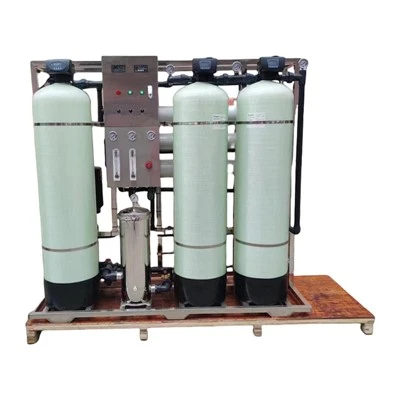
Understanding Reverse Osmosis and Hot Water RO Membranes
Before we dive into the contaminants, let’s briefly understand the principle of reverse osmosis. Reverse osmosis is a water purification process that uses a semi – permeable membrane to remove ions, molecules, and larger particles from water. In a standard RO system, water is forced through the membrane at a pressure greater than the osmotic pressure, allowing pure water to pass through while trapping contaminants on the other side.
Hot water RO membranes are specially designed to withstand higher temperatures compared to conventional RO membranes. This makes them ideal for applications such as in the food and beverage industry, where hot water is often used for cleaning and process integration, or in industrial wastewater treatment plants that generate hot effluents.
Types of Contaminants Removed
Dissolved Inorganic Ions
One of the most significant capabilities of hot water RO membranes is their ability to remove dissolved inorganic ions. These include common ions such as sodium (Na⁺), chloride (Cl⁻), calcium (Ca²⁺), magnesium (Mg²⁺), and sulfate (SO₄²⁻). In water sources, these ions are often responsible for water hardness. Hard water can cause scaling in pipes, appliances, and industrial equipment, leading to reduced efficiency and increased maintenance costs.
Our hot water RO membranes have a high rejection rate for these ions, typically above 95%. For instance, in a dairy processing plant, where hard water can affect the quality of milk products and damage equipment, our membranes can effectively reduce the hardness of the hot water used in the cleaning process, ensuring the smooth operation of the plant.
Heavy Metals
Heavy metals such as lead (Pb), mercury (Hg), cadmium (Cd), and chromium (Cr) are extremely toxic contaminants that can find their way into water sources through industrial discharges, mining activities, and natural weathering of rocks. Even in trace amounts, these heavy metals can pose serious health risks to humans and the environment.
Our hot water RO membranes act as a reliable barrier against heavy metals. The pore size of the membrane is designed to be small enough to prevent the passage of heavy metal ions. In a manufacturing facility that produces electronics, where heavy metals are commonly used in the production process, our membranes can effectively remove these contaminants from the hot wastewater, meeting strict environmental regulations.
Organic Compounds
Organic compounds are a diverse group of contaminants that include pesticides, herbicides, solvents, and industrial chemicals. These can be present in water sources due to agricultural runoff, industrial spills, and improper waste disposal.
Hot water RO membranes are highly effective in removing many types of organic compounds. They can reject a wide range of organic molecules based on their size, charge, and solubility. For example, in the pharmaceutical industry, where organic solvents are extensively used, our membranes can remove these solvents from the hot water used in the manufacturing process, ensuring the purity of the final products.
Microorganisms
Microorganisms such as bacteria, viruses, and protozoa are a major concern in water treatment. They can cause water – borne diseases and pose a threat to public health.
Our hot water RO membranes provide an additional layer of protection against microorganisms. The small pore size of the membrane physically blocks the passage of bacteria and protozoa, and can also remove many viruses. In a food processing plant, the use of hot water treated by our RO membranes can ensure the safety of the food products, as the contaminated water will not transfer harmful microorganisms to the food.
Colloids and Suspended Solids
Colloids are tiny particles that are dispersed in water and do not settle easily. Suspended solids are larger particles that can be seen with the naked eye. Both colloids and suspended solids can make water turbid and can cause fouling of membranes and other equipment.
Hot water RO membranes can effectively remove colloids and suspended solids. The membrane acts as a physical barrier, preventing these particles from passing through. In a textile manufacturing plant, where the wastewater contains a large amount of suspended solids from the dyeing process, our membranes can clarify the hot wastewater, making it suitable for reuse or discharge.
Factors Affecting Contaminant Removal
While hot water RO membranes are incredibly effective at removing contaminants, several factors can influence their performance. Temperature is a crucial factor. Our membranes are designed to operate at elevated temperatures, but extreme temperatures can still affect the membrane’s structure and performance. Higher temperatures can increase the diffusion rate of contaminants through the membrane, potentially reducing the rejection rate.
The pH of the water also plays a role. Some contaminants have different ionization states depending on the pH, which can affect their ability to be removed by the membrane. For example, certain metals may form complexes at different pH levels, and the membrane’s ability to reject these complexes may vary.
The concentration of contaminants in the water is another important factor. If the water is highly contaminated, the membrane may become fouled more quickly, reducing its efficiency over time. Regular maintenance and proper pre – treatment are essential to ensure the long – term performance of the membrane.
Advantages of Our Hot Water RO Membranes
Our hot water RO membranes offer several advantages in the field of water purification. Firstly, they are made of high – quality materials that are resistant to high temperatures, chemical attacks, and physical damage. This ensures a long service life and reliable performance in harsh industrial environments.
Secondly, our membranes have a high flux rate, which means they can purify a large volume of water in a relatively short period. This is crucial for industries that require a continuous supply of purified hot water.
Finally, our team provides comprehensive technical support. We assist our clients in selecting the right membrane for their specific applications, offer installation guidance, and provide after – sales maintenance services.
Encouraging Contact for Purchase and Consultation
If you’re in an industry that requires effective removal of contaminants from hot water, whether it’s the food and beverage, pharmaceutical, or manufacturing sector, our hot water RO membranes could be the solution you’re looking for. Our membranes have been proven to deliver high – quality water purification results in various real – world applications.
Ultrafiltration Membrane We invite you to get in touch with us to discuss your specific water purification needs. Our experienced team of experts can provide detailed information about our products, help you calculate the cost – effectiveness of our solutions, and answer any questions you may have. Whether you’re looking to upgrade your existing water treatment system or are starting a new project, we’re here to assist you every step of the way. Contact us today to start a productive discussion about your water purification requirements.
References
- Cheryan, M. (1998). Ultrafiltration and Microfiltration Handbook. Technomic Publishing.
- Mulder, M. (1996). Basic Principles of Membrane Technology. Kluwer Academic Publishers.
- Baker, R. W. (2004). Membrane Technology and Applications. John Wiley & Sons.
Fujian Huamo Technology Co., Ltd.
Fujian Huamo Technology Co., Ltd. is one of the most professional hot water ro membrane manufacturers and suppliers in China, featured by quality products and good service. Please rest assured to wholesale the best hot water ro membrane made in China here and get price list from our factory. Contact us for custom service and OEM service.
Address: No.6 Hengtong Rd, Shanmei Village, Xiamei Town, Nanan City, Fujian Province, China
E-mail: info@huaromembrane.com
WebSite: https://www.hmromembrane.com/
