If you’ve ever found yourself staring at a bottle of flea and tick meds for your dog, or scrolling through options for your cat’s chronic allergy symptoms, you’ve probably asked the question that lands in every pet parent’s inbox at least once: Do I need a prescription for pet medications? As someone who’s spent the last 8 years working in pet medications, first behind the pharmacy counter and now leading the pet meds supply team I’m proud to be part of, I get it. The line between what’s safe to grab off a shelf and what needs a vet’s sign-off can feel fuzzy—especially when you’re juggling work, vet appointments that book weeks out, and a pet who’s been showing the same symptoms for days. Let’s break this down, no confusing jargon, just the straight talk pet parents actually need. Pet Medications

First, let’s get one myth out of the way right now: not all pet meds require a prescription, but the “one size fits all” over-the-counter (OTC) stuff you see at grocery stores or big-box retailers is only a small slice of what’s available. The rest? Well, that’s where it gets important to know why that prescription rule exists—and why it’s not just a random hoops for you to jump through.
Take the common stuff first. OTC options work for mild, non-chronic conditions that most healthy pets can handle without close medical supervision. For example, oral dewormers for roundworms or hookworms in adult dogs? Those usually don’t need a prescription. Basic flea and tick preventatives for healthy cats under 10 pounds? Same goes—though I should note, even OTC flea meds can be dangerous if you give a dog formula to a cat, or use one made for a 50-pound dog on a 10-pound terrier. Another OTC category? Nutraceuticals like glucosamine for joint pain, or omega-3 supplements for skin and coat health. These are regulated as dietary supplements, not animal drugs, so no prescription needed. But even here, a quick note: if your pet’s joint pain is bad enough that they’re limping up stairs, OTC glucosamine might not be enough—and that’s where a prescription med makes sense.
Now, the prescription stuff. Why is there a line here? Simply put, many pet medications are powerful enough that the wrong dose, or use on a pet with an undiagnosed health condition, can cause serious harm. Let’s use a common example: NSAIDs like carprofen, which vets prescribe for dog pain after surgery or for arthritis. If you grab a human NSAID (like ibuprofen) to give your dog, you’re taking a huge risk—even a single pill can cause kidney failure or stomach ulcers. But even pet-specific NSAIDs that are prescription-only have specific doses based on your pet’s weight, age, and any existing conditions (like kidney disease). Give too little, and it won’t work; give too much, and you’re looking at an emergency trip. Another example: prescription antibiotics for pets. Unlike human antibiotics, which are often overused, pet antibiotics are dosed specifically for a pet’s infection—giving the wrong one, or stopping it early, can lead to antibiotic resistance, which is a problem for both pets and humans. There’s also medication for chronic conditions: diabetes, epilepsy, thyroid issues, even heart disease. These aren’t one-and-done; they require regular monitoring by a vet to make sure the dose is right, and that’s why they’re prescription-only.
Wait, you might be thinking, what about the online pharmacies that sell prescription pet meds without a prescription? Yeah, those exist, and they’re a huge red flag. Legitimate pet med suppliers, like the team I work with, never dispense prescription meds without a valid prescription from a licensed vet. Why? That prescription is your proof that a vet has examined your pet, diagnosed the condition, and determined that medication is safe and appropriate for their specific needs. Skirting that rule puts your pet at risk—we’ve seen too many horror stories of pets getting the wrong dose, or a med that interacts badly with something else they’re taking, because someone skipped the vet step.
Now, let’s talk about when you do need to get that prescription. If your vet has already diagnosed your pet with a chronic condition—say, your cat has hyperthyroidism, your dog has seasonal allergies that don’t respond to OTC antihistamines, or your ferret needs insulin for diabetes—chances are, their medication is prescription-only. If you’re unsure, the easiest rule of thumb is: if it’s not sold as an OTC product for general use, or if your vet ever told you it needs a prescription, don’t buy it without one.
But wait, there’s a common confusion here: some prescription pet meds are available as compounded meds, tailored to your pet’s specific needs. For example, if your cat hates pills, a compounding pharmacist can make their thyroid med in a flavor they like (tuna, chicken, even catnip, depending on the formula). Compounded meds still require a vet prescription, though—they’re just a customized version of a prescription drug, not a OTC option.
As a pet med supplier, we work with licensed vets and pharmacists every day to make sure that when a pet parent has a valid prescription, they get the right med at the right dose, no tricks. We also make it easy to renew prescriptions, because we know vet appointments can be hard to schedule. If your pet’s prescription is up for renewal, you just send us your vet’s updated prescription (or we can work with your vet directly to get it), and we ship it straight to your door, usually faster than you can run to the vet’s office.
I should also mention something that’s a big point of stress for pet parents: cost. Prescription meds can seem more expensive than OTC, but when you factor in that they’re dosed specifically for your pet, and that a vet has cleared them for use, they’re actually a better value long-term. OTC meds that don’t work mean you’re wasting money, and if your pet has a bad reaction to an OTC med, that’s a vet bill you didn’t plan for anyway. We work with pet parents to make prescription meds affordable too, offering bulk pricing for long-term use and discounts for multi-pet households.
Let’s wrap this up with a clear checklist, because I know you want actionable steps:
- If it’s a general-use OTC product (basic dewormers, flea preventatives for healthy pets, glucosamine, omega-3s), no prescription needed—but always check the label to make sure it’s for your specific pet’s species and weight.
- If your vet prescribed a medication for your pet’s specific condition (arthritis, diabetes, allergies, infections), you need a valid prescription to get it—legitimate suppliers never skip this step.
- If you’re not sure, ask your vet or, if you work with a trusted supplier (like the team I’m part of), reach out to our customer support—we’ll help you figure out if you need a prescription before you buy.
At the end of the day, the question “Do I need a prescription for pet medications?” comes down to one thing: what’s best for your pet. That prescription rule isn’t about making things harder for you—it’s about keeping your pet safe. As someone who’s seen the difference a properly dosed, vet-approved medication can make for a pet (I’ve seen a 10-year-old golden retriever go from barely walking around the house to chasing squirrels in the yard after starting his prescription arthritis med), I can’t stress enough that taking the time to get that right prescription is worth it.
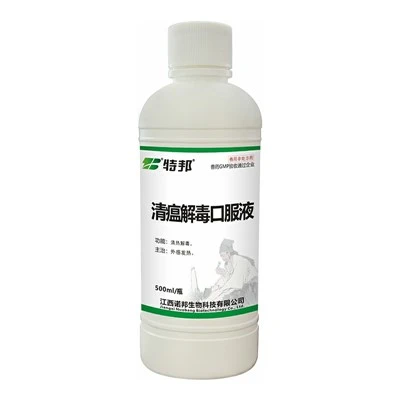
If you’re a business owner, shelter manager, or someone looking to purchase pet medications in bulk for your facility, reach out to our team to discuss procurement and supply options that meet your needs. We’re here to make the process simple, transparent, and focused on what’s best for the pets you care for.
Feed Additives References
- American Veterinary Medical Association. (2022). “Understanding Pet Medication Requirements.” AVMA Guidelines for Safe Animal Medication.
- Food and Drug Administration. (2023). “Regulation of Animal Drugs and Dietary Supplements.” Center for Veterinary Medicine.
- National Association of Boards of Pharmacy. (2021). “Guidelines for Online Pet Pharmacy Operations.” NABPX Standards for Veterinary Pharmacies.
- World Small Animal Veterinary Association. (2020). “Responsible Use of Prescription Medications in Companion Animals.” WSAVA Global Guidelines.
- Centers for Disease Control and Prevention. (2022). “Antibiotic Resistance in Pets: Risks and Prevention.” CDC One Health Program.
Jiangxi Nuobang Biological Pharmaceutical Co., Ltd.
As one of the most professional pet medications manufacturers and suppliers in China, we also support customized service. Please rest assured to wholesale high quality pet medications in stock here from our factory. Welcome to contact us for quotation.
Address: High-tech Zone, Jinxi County, Fuzhou City, Jiangxi Province, China
E-mail: admin@tebangbio.com
WebSite: https://www.nuobangbio.com/
