If you’ve ever worked with flat tempered glass, you know how devastating a single scratch can be. As a supplier of this material, I’ve seen firsthand how even a tiny, seemingly insignificant surface mark can derail a project, delay a client’s timeline, or lead to costly returns. Over the past 12 years in this industry, I’ve worked with architects, appliance manufacturers, interior designers, and small business owners, and one question comes up again and again: “How do I keep this glass looking perfect, before, during, and after installation?” Flat Tempered Glass

Tempered glass is already safer and stronger than standard annealed glass—it’s heat-treated to increase its tensile strength by up to five times, and when it breaks, it shatters into small, blunt pieces instead of sharp shards. But that strength doesn’t make it scratch-proof. Scratches on flat tempered glass almost always happen during the handling, processing, or installation stages, not after it’s been put in place. The good news is that most of these scratches are preventable with the right knowledge and consistent habits. Today, I’m breaking down what causes scratches on tempered glass, and the step-by-step protocols we teach every one of our clients to avoid them.
First, let’s get one myth out of the way: not all scratches are the same. There are two main types we deal with: surface scratches and deeper structural scratches. Surface scratches are shallow, only penetrating the thin outer layer of the glass, and while they can dull the look, they don’t compromise the temper or safety of the glass. Deeper scratches, however, go past this outer layer into the core of the glass. These are the risky ones—they create stress points that can cause the glass to crack or even shatter unexpectedly, especially if it’s exposed to temperature changes or impact. That’s why we don’t just care about making glass look good; we care about its performance too.
So, where do most people go wrong? Let’s start at the source: raw material handling. When flat tempered glass leaves our warehouse, it’s protected, but that protection only works if it’s used correctly. The biggest mistake I see here is using the wrong materials to move or store the glass. For example, some workers will grab a sheet of tempered glass with a regular cotton work glove to lift it, not realizing that cotton can trap tiny, abrasive particles—like glass dust, sand, or metal shavings—between the fabric and the glass surface. When you move that sheet, those particles act like sandpaper, leaving fine, linear scratches all along the edge. Another common error is stacking sheets of tempered glass directly on top of each other, even if they’re wrapped in plastic. If there’s any dust or debris between two sheets, the weight of the upper glass will grind those particles into the lower one, creating deep, permanent scratches that can’t be buffed out.
Here’s what we recommend for raw material handling: always use nitrile or rubber gloves when touching tempered glass. These materials are smooth enough to pick up the glass without trapping abrasive particles, and they don’t leave lint behind. When storing flat tempered glass, use a dedicated glass rack or cradle lined with closed-cell foam. This foam is dense, so it doesn’t compress under the weight of the glass, and it repels dust and moisture. If you need to stack multiple sheets, place a layer of acid-free, lint-free paper or a polyethylene sheet between each sheet—avoid regular paper, which can have tiny wood fibers that scratch. Also, never drag glass across a surface, even a seemingly smooth one. Lifting is always better, and if you have to move it along a table, use a series of padded rollers to reduce friction.
Next, processing and fabrication. Before tempered glass reaches a project site, it might go through cutting, drilling, or edge polishing. Even at this stage, scratches are a major risk. A lot of small fabricators use generic tools for processing tempered glass, but those tools aren’t always matched to the specific needs of flat tempered material. For example, a drill bit made for wood or metal can leave metal shavings that embed in the glass surface, or a cutting wheel that’s too worn can create uneven edges that scratch adjacent sheets. Also, if a fabrication space isn’t kept clean, glass dust from previous jobs can float in the air and settle on new sheets, waiting to be pressed into scratches when the glass is moved or manipulated.
From our side, we work closely with every client who fabricates our glass to adjust their workspace. First, we encourage fabricators to keep their processing area free of loose debris—daily sweeping with a soft bristle broom (not a hard push broom, which can kick up more dust) and weekly mopping with a pH-neutral cleaner is key. We also recommend using diamond-tipped tools that are rated specifically for tempered glass. These tools have a harder, sharper edge that cuts cleanly without leaving embedded particles, and they require less force, which reduces friction that causes scratches. Another tip: when polishing the edges of flat tempered glass, use a polishing compound that’s designed for glass, not for metal or plastic. Metal polishes are abrasive and can leave deep scratches, while glass-specific polishes are fine enough to smooth edges without damaging the surface.
Now, the stage that’s most prone to scratches: installation. I’ve seen perfectly fine tempered glass arrive at a job site, only to be ruined by one installer rushing to get it in place. Installation mistakes are the number one cause of field scratches on tempered glass. The most common mistake is using the wrong tools when positioning the glass. For example, using a metal suction cup to lift the glass—metal edges can scratch the surface, or if the suction cup has a tiny piece of grit on it, that grit will leave a mark. Another mistake is setting the glass on a hard, unprotected surface. Even a concrete floor that looks smooth has tiny pebbles and dust that can scratch the bottom of the glass, and once that glass is in place, those scratches are permanent and visible. We’ve also seen installers use old, worn gaskets in window frames or cabinet doors. Gaskets are meant to cushion the glass, but if they have tears or built-up debris, they act like a grinding tool against the edges and surface of the glass over time.
So, what’s our protocol for installation? First, prepare the work area before the glass arrives. Lay down a temporary covering of closed-cell foam or a thick, lint-free canvas on the floor and the workbench. Never lay flat tempered glass directly on concrete, wood planks, or metal. When lifting the glass, use a rubber or silicone suction cup that’s rated for glass handling—these cups have a smooth, non-abrasive edge that grips the glass without scratching. Before attaching the suction cup, wipe the glass surface with a lint-free microfiber cloth and a little bit of distilled water (avoid tap water, which has minerals that can leave spots later, though they don’t cause scratches). When positioning the glass into a frame, make sure all gaskets or seal strips are new and free of debris. If you’re using adhesive to hold the glass in place, use a low-tack, glass-specific adhesive that won’t pull off the surface layer or leave residue that traps dirt.
Wait, what about after installation? A lot of people think scratches only happen before the glass is put in, but that’s not true. Over time, daily cleaning can cause scratches too. Using abrasive cleaners, rough scrub brushes, or paper towels (which have wood fibers) to clean tempered glass can leave fine, invisible scratches that build up over time, making the glass look dull. I’ve had clients call me a year after installation, saying their glass has “suddenly” scratched, and when we look back, it’s almost always from using the wrong cleaning products. For post-installation care, we recommend using a glass cleaner that’s ammonia-free and designed for tempered glass, and cleaning with a lint-free microfiber cloth in a circular motion, not back and forth, which can create linear scratches. Never use steel wool, scrapers, or rough sponges on the glass surface, even if you’re trying to remove a stubborn spot.
But here’s the thing: even with all these protocols, mistakes happen. That’s why at our company, we go the extra mile to set our customers up for success. We don’t just ship flat tempered glass—we provide each client with a free “Care & Handling Guide” that has step-by-step photos for every stage: receiving, storing, fabricating, and installing. We also offer on-site training for large projects, like commercial storefronts or appliance manufacturing lines, where we can walk teams through proper lifting techniques, workspace setup, and cleaning practices. For smaller clients, like interior designers and cabinet makers, we host quarterly virtual workshops to answer questions and troubleshoot common issues.
I also want to add a note about inspection. Whenever we ship glass to a client, we include a checklist that asks them to inspect every sheet within 48 hours of delivery. This is important because scratches that happen during shipping are easier to fix or replace early on, instead of after the glass is already fabricated or installed. If you notice a scratch within that 48-hour window, just reach out to our team—we’ll work with you to evaluate if it’s repairable, or if we can send a replacement sheet at no extra cost, as long as it’s within our quality warranty. This isn’t just good customer service; it’s part of ensuring that our flat tempered glass meets the high standards our clients expect.
Let me share a quick story that drives this home. A few years ago, we worked with a custom kitchen cabinet maker who kept returning our glass sheets with scratches on the back surface. We were confused because our packaging is top-notch, so we sent a team member to their shop to observe their process. Turns out, their installers were lifting the glass with work gloves that had metal particles from handling cabinet hardware embedded in the fabric. Those particles were leaving fine scratches we couldn’t see during our quality check, and they were only noticeable once the glass was installed in the cabinet, where light hit it at a certain angle. After we walked them through switching to nitrile gloves and adding a lint-free paper layer when handling, their scratch rate dropped by 98%. That’s the kind of small change that makes a huge difference.
At the end of the day, preventing scratches on flat tempered glass is all about being intentional. It’s not about buying the most expensive tools or taking extra time that you don’t have—it’s about being consistent with the right habits at every stage of the process. Scratches don’t have to be a normal part of working with tempered glass; they’re a solvable problem.
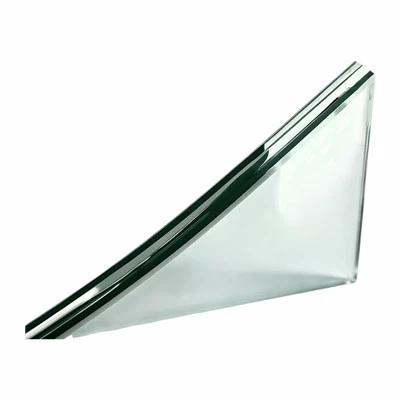
If you’re working on a project that requires flat tempered glass, or if you’ve been dealing with scratches on your current material, our team is here to help. We can answer questions about handling protocols, suggest the right materials for your specific project, or provide a custom quote for high-quality flat tempered glass that’s ready to be installed without unnecessary delays. Reach out to us to connect with our product and support team today.
Curved Laminated Glass References
- Glass Packaging Institute. (2021). Best Practices for Handling and Storing Flat Glass. Retrieved from industry technical papers
- American Architectural Manufacturers Association. (2020). Standard for Tempered Glass Performance and Care. AAMA 101-20
- International Glass Association. (2022). Scratch Prevention in Fabricated Glass Products. IGA Technical Bulletin #419
- Occupational Safety and Health Administration. (2019). Workspace Organization for Glass Handling to Prevent Surface Damage. OSHA Publication 3502-19
- European Glass Federation. (2021). Guide to Tempered Glass Surface Care for Construction Applications. FEVE Technical Report 2021/07
Suzhou Dingcheng Tempered Glass Co., Ltd.
As one of the most professional flat tempered glass manufacturers and suppliers in China, we also support customized service. We warmly welcome you to wholesale high quality flat tempered glass made in China here from our factory. If you have any enquiry about free sample, please feel free to email us.
Address: No.777 Limin North Road, Lili Town, Wujiang District, Suzhou City, Jiangsu Province
E-mail: Dingchengglass@163.com
WebSite: https://www.dingchengglass.com/
