If you’ve ever wondered what goes into making a snooker dining table that actually works for both a post-work snooker frame and a Sunday roast with the family, let me break it down—straight from the guy who’s been sourcing and building these for a decade. I get it; when you’re shopping for one, it’s easy to just look at the price and the size, but skip the “stuff that matters” that makes it last 10+ years instead of falling apart after 2. Today, we’re deep-diving into the materials that make these tables tick, and why cutting corners is the #1 mistake people make (and we never do that here). Snooker Dining Table
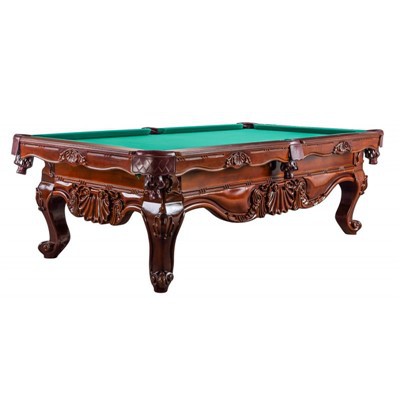
First, let’s start with the heart of any snooker table—the slate. This isn’t your regular bathroom tile, so let’s get that out of the way. Traditional snooker tables use 3 pieces of slate, right? Wait, no—for a full-size (12ft x 6ft) snooker dining table, it’s still 3, and not the cheap resin-coated slate you’ll find on some budget imports. We use natural Welsh slate, and here’s why: it’s denser than other slates, so it doesn’t warp, even if you set hot plates on it for dinner. Warping is the death of a snooker table—if the surface is even 2mm off, your pot won’t roll straight, and that’s a fight waiting to happen. When we source slate, we test every slab: no cracks, no uneven edges, and it’s milled to a tolerance of 0.1mm. That’s tighter than a credit card, and it’s why pro snooker players actually use our tables when they test them at trade shows. For the dining side, here’s a bonus: the slate is sealed with a food-grade polyurethane coating. No more worrying about a wine spill ruining the playing surface—just wipe it up, no stains, no hassle. I’ve had customers tell me they’ve set a hot pan down (oops) and it didn’t leave a mark. That’s the stuff.
Next up, the frame that holds the slate and holds up the dining load. A lot of cheap tables use particleboard or MDF for the base—big red flag. Particleboard swells if there’s any dampness, and MDF crumbles if you set a heavy table on it (literally, I’ve seen it happen). We use solid kiln-dried hardwood, specifically American white oak or European beech. Kiln-dried is key here—it’s heated to 200°F for 72 hours, which kills any moisture and bugs, so it won’t shrink or expand with changes in humidity. Now, when you convert the table from snooker to dining, you’re setting a dining top that can hold 8-10 people, plus a full dining set—so the frame needs to handle that. We add cross-bracing every 12 inches under the slate, which distributes the weight evenly. No sagging, ever. I remember a customer who moved to a new house and tried to disassemble a budget table he bought online; the particleboard frame split in half when he lifted the dining top. We never let that happen. The hardwood frame also gets a multi-step finish: sanded 4 times, stained with a low-VOC stain, then 3 coats of satin polyurethane. It looks nice in a modern dining room, not like a dark, clunky bar table.
Now, the playing surface cloth—this is where the magic (and the science) happens. Snooker cloth isn’t just felt; it’s a worsted wool blend, mostly 85% wool, 15% nylon. Why wool? Because it’s durable, it has a low nap that makes balls roll consistently, and it doesn’t hold static. Cheap cloth is more polyester, and here’s the thing: polyester gets fuzzy after a year, so the balls spin weird. We use 6811 cloth, the same brand used on pro snooker tours. Wait, but we tweak it a bit for the dining side? Kind of—we add a stain-resistant treatment to the wool blend, so if you drop a gravy drip or a soda, it beads up instead of soaking in. I’ve spilled a beer on our own demo table at a trade show last year, and it wiped off with a paper towel. No stains, no damage. The cloth is stretched tight over the slate, not just stapled—we use a pneumatic stretcher that pulls it so tight, you can rest a coin on the edge and it won’t fall. That tightness is what makes the ball roll true. Some guys will tell you cloth doesn’t matter, but I’ve played on tables with cheap cloth—you can tell the difference within the first shot. It’s like comparing a good basketball and a deflated one.
Wait, what about the dining top? That’s the piece that turns a snooker table into a dining table, and it’s not just a slab of wood. We use solid wood veneer over a high-density MDF core for the dining top. Veneer looks like solid wood, but it’s more stable—solid wood expands and contracts more with temperature changes, so a solid wood top would crack or warp. The MDF core is sealed, so it’s water-resistant. We offer different finishes: oak, walnut, even white for modern homes. The dining top is also designed to fit perfectly over the snooker rails, so when it’s on, you can’t even tell there’s a playing table underneath. Some budget tables have tops that stick out or leave gaps—annoying when you’re sitting around the table. We make sure the top is cut to within 1/8 inch of the edge, so it’s flush. And it’s rated to hold 500 lbs—no more wobbly tables when you’re passing the mashed potatoes.
Let’s not forget the rails and cushions. The rails are the wood pieces around the playing surface that hold the pocket liners, and the cushions are the rubber strips that make the balls bounce off the rails. Cheap tables use synthetic rubber cushions, which go hard after a couple years. We use natural rubber cushions—same as what pro tables use. Natural rubber has more give, so the ball bounces back at a consistent angle, not a random one. We test the cushions by firing a snooker ball at 15 mph (that’s a soft break, for reference) and measuring the bounce angle—has to be within 1 degree, every time. The rails are padded with 1 inch of high-density foam before the cloth goes on, so if you lean on the rail while taking a shot, it’s soft, not hard wood digging into your side.
Now, let’s talk about the small stuff that people overlook, because that’s what separates a good table from a great one. The pockets: we use synthetic leather pockets, not cheap vinyl. The leather is thick, so it doesn’t stretch out, and it’s stitched to the rails with heavy-duty thread. The balls? Wait, no—we don’t sell the balls, but we make sure the table is compatible with regulation-size snooker balls. The levelers on the legs: not just plastic, they’re metal, so you can adjust the table on uneven floors without it wobbling. I’ve had customers in old apartments with sloped floors, and the levelers adjust perfectly, so the balls roll straight every time.
Here’s the thing: a lot of suppliers will cut corners on materials to make the price lower, but that’s a trap. You’ll spend $2k on a budget table, then have to replace the cloth in 2 years, or the frame warps, or the balls don’t roll right. We build our tables to last—we stand behind them, too. Every table comes with a 10-year warranty on the slate and frame, 5 years on the cloth and cushions. That’s not just talk; we mean it.
If you’re in the market for a snooker dining table, don’t just look at the size or the color. Ask about the slate, ask about the frame material, ask about the cloth. Because the best tables aren’t just for playing—they’re for hosting dinners, for playing a quick frame after work, for making memories. I’ve seen customers grow kids around these tables, host holiday dinners, even have birthday parties. That’s the stuff that matters.
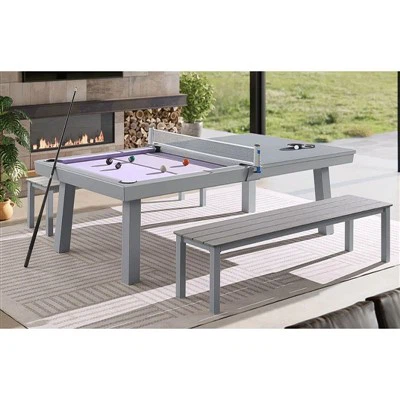
Ready to find out more, or get a quote for your space? We’re here to help—we can walk you through the materials, show you demos, and make sure you get the table that fits your home and your needs.
Billiard Accessories References
- World Professional Billiards and Snooker Association (WPBSA) Technical Guidelines for Tournament Table Construction
- Slate Industry Association: Properties of Natural Slate for Gaming and Residential Furniture
- Woodworking Network: Kiln-Drying Techniques for Solid Hardwood Furniture
- International Billiard & Home Recreation Manufacturers Association (IBHRMA) Standards for Multi-Functional Snooker Dining Tables
Shuai Zhanjiang (Dongguan) Co., Ltd.
As one of the leading snooker dining table manufacturers and suppliers in China, we offer a wide range of products with superior quality. Please rest assured to buy snooker dining table made in China here from our factory. We also accept customized orders.
Address: No. 50 Siyuan Road, Changping Town, Dongguan City, Guangdong Province
E-mail: cbibilliard01@gmail.com
WebSite: https://www.cbibilliard.com/
