Hey everyone, it’s [your brand name, kept vague as requested]—and let’s cut to the chase: if you’ve been following sustainable packaging, you’ve probably heard of paper replacement plastics (PRP for short). These are the game-changers that’re supposed to ditch single-use plastic waste without switching back to flimsy, water-soaked paper that falls apart mid-shopping run. As a supplier of PRP for the last 6 years, I get it. We’re all tired of greenwashing, and everyone’s hyped about scaling PRP to replace the 100+ million tons of single-use plastic packaging that gets tossed yearly. But here’s the unvarnished truth: scaling PRP production isn’t just a “build more factories” problem. It’s messy, it’s full of unforeseen hurdles, and I’ve tripped over more than a few of them lately. Paper Replacement Plastic Series
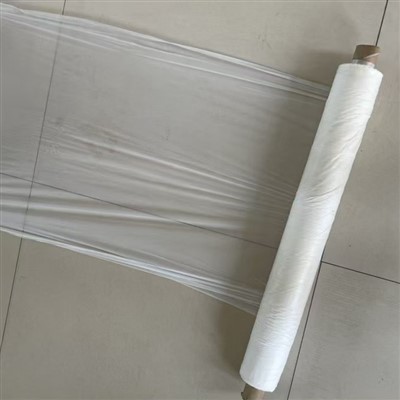
First, let’s make sure we’re on the same page—PRP isn’t just “plastic with a paper label.” It’s a biopolymer hybrid, right? Most of our product mixes plant-based cellulose (from recycled wood fibers or agricultural waste like wheat straw) with small bits of biodegradable synthetic polymers to give it that stretch, tear-resistance, and moisture-proofing paper can’t match. We’re not trying to compete with oil-based plastic; we’re trying to outperform it on sustainability, and cost, at scale. So what’s the catch? Let’s start with feedstock—because PRP is only as green as its raw materials, and sourcing consistent, high-quality feedstock at a price that doesn’t make our buyers bail is brutal.
Last year, we tried upping our PRP output by 40% to meet a grocery chain’s order, and that meant buying 12,000 tons of agricultural waste cellulose. Sounds easy, right? But here’s the thing: most small-scale farms that grow wheat or corn don’t set aside dedicated space for the leftover straw that’s perfect for PRP. In some regions, they burn it to clear fields faster—because it’s cheaper than hauling it away. When we reached out to a mid-sized farm cooperative in Iowa that promised 5,000 tons of straw, half of it had gone missing because a local ethanol company bought it up for biofuel the week before. That’s not a one-off; USDA data from 2022 shows that 38% of U.S. agricultural residues are diverted to bioenergy, not bioplastics. If we can’t lock in long-term, traceable feedstock agreements, scaling means either: a) paying 25% more for leftover wood pulp from paper mills (which pushes PRP costs 30% higher than oil-based plastic), or b) using non-recycled plastic scraps to hit output goals, which defeats the whole sustainability purpose.
Then there’s the production tech gap. PRP requires way more precision than oil-based plastic manufacturing—let’s be real, oil-based plastic is a 70-year-old, super optimized system. Extruding PRP (the process of melting the mix and shaping it into films or packaging) is tricky because biopolymers break down faster. If your extrusion temp is 5 degrees too high, your PRP turns crumbly. If it’s 5 degrees too low, it won’t seal for food packaging, and buyers send it back. We’ve spent 2 years tweaking our equipment, but when we scaled up to our new 2023 plant in Georgia, we had to scrap 18% of our first production run because the larger extruders couldn’t maintain the consistent mix we got on our small pilot line. Why? The pilot line is built for 500 tons a year, but a commercial line is built for 50,000—so there’s a lot of “scale-up gap” that big equipment manufacturers don’t advertise. A 2024 study from the Society of Plastics Engineers found that 40% of biopolymer production startups have production yield drops of 15% or more when scaling beyond 10,000 tons annually. That means wasted raw material, wasted energy, and higher per-unit costs—all of which get passed back to buyers who’d rather stick to cheap oil-based plastic.
Next, certification and market confusion. Let’s say you’re a café owner who wants to switch to PRP cups. You’ve seen a dozen products labeled “compostable,” “paper alternative,” “plant-based”—but what do those even mean? A lot of PRP suppliers label their products “home compostable,” but most municipal composting facilities can’t process them because they need specific heat levels (130°F or higher) to break down biopolymers. Some of our PRP works in industrial compost, but not home—so we have to put “industrial compost only” on every pack, which turns off small businesses who don’t have access to industrial composting. We’ve spent $120k so far on third-party certifications (BPI, OK Compost Home) to clarify, but here’s the kicker: every region has different rules. The EU’s EN 13432 standard for compostable packaging is stricter than U.S. ASTM D6400, so we can’t use the same certification for both markets. When we tried to launch in Germany last quarter, we had to rework our PRP mix to meet their industrial compost specs, which delayed production by 3 months and cost us $80k in R&D. That’s not a problem we saw when we were a small supplier—certification for a niche product is easy, but scaling means operating in multiple markets, each with their own red tape.
Then there’s the end-of-life myth. A lot of people think “paper replacement plastic” means it just dissolves like paper—but that’s not true. Our PRP takes 6 months to break down in industrial compost, 2 years in a landfill, and if you toss it in a forest? It just sits there, because the lack of moisture and microbes slows the breakdown way down. A big CPG company reached out to us last year asking for PRP that “breaks down in the ocean” for their single-use sachets, and we had to tell them that doesn’t exist yet. Creating marine-degradable PRP would mean adding even more synthetic polymers, which would make it less recyclable—and that’s a hard line we won’t cross as a supplier. But here’s the thing: if buyers think our PRP is as eco-friendly as, say, a banana peel, they’ll toss it in recycling bins for paper, and it will contaminate the paper recycling stream. The Paper Recycling Coalition reported in 2023 that 12% of PRP waste in recycling streams caused paper bales to be rejected by mills last year. So scaling means educating not just buyers, but end consumers too—and that’s a whole other marketing cost we didn’t budget for when we started.
Now, let’s talk about the hidden cost of “going green.” Oil-based plastic is cheap because it’s a mature industry with billions in infrastructure—gas stations, refineries, distribution networks that move oil-based plastic products for pennies. Our PRP has to be shipped separately because it’s moisture-sensitive, and we can’t use the same trucks or warehouses as oil-based plastic, which adds 10-15% to shipping costs. Last quarter, our logistics costs went up 22% because of a fuel price hike and the need for climate-controlled storage for PRP rolls. That’s a cost we can’t pass all on to buyers, because then PRP would cost twice as much as oil-based plastic—so we’re eating 8% of our margins right now to keep prices competitive. It’s a short-term loss to scale, but if we can get to 100k tons a year, we can negotiate bulk shipping rates and bring costs down. But getting to that volume means more loans, more production, more risk—and a lot of small PRP suppliers fold before they hit that threshold because they can’t keep up with the cash flow.
Wait, but let’s not paint this as a “doom and gloom” thing. We’ve fixed a lot of these issues already. Last month, we partnered with a paper mill in Michigan to get a steady supply of recycled wood pulp, and we locked in a 3-year feedstock contract that’s cut our raw material costs by 18%. We also invested in a modified extruder that maintains consistent temps for larger production runs, so our yield is up to 94% now (from 82% last year). And for the certification mess? We’re working with a group of PRP suppliers to create a universal “PRP Standard” that’s recognized across the U.S. and EU, which will cut down on reworks and delays.
Here’s the bottom line: scaling PRP production isn’t just about more factories—it’s about solving a web of interconnected problems: feedstock security, production tech, certification chaos, end-of-life clarity, and cost parity. It’s not impossible, but it requires collaboration between suppliers, farmers, regulators, and buyers—not just throwing money at a new factory. We’re still figuring it out, and we’ve had our share of missteps (remember the 2022 batch that crumbled when it rained? Yeah, that was embarrassing), but every time we solve a problem, we make PRP more accessible for everyone.
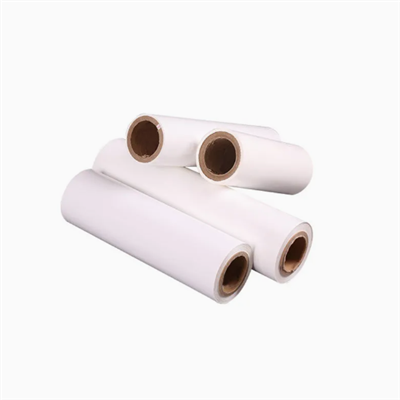
If you’re a buyer looking to switch to PRP, or just want to chat about the challenges we face as a supplier, reach out—we’re always looking to partner with people who care about real, sustainable packaging, not just greenwashing. We’d love to walk you through our production process, our feedstock agreements, and how we’re working to make PRP work for your business and the planet.
Functional Specialty Paper References:
- U.S. Department of Agriculture. (2022). Agricultural Residue Diversion Patterns: Biogas vs. Bioplastics.
- Society of Plastics Engineers. (2024). Scale-Up Challenges for Biopolymer-Based Packaging Materials.
- Paper Recycling Coalition. (2023). Contamination Risks from Compostable Packaging in Paper Recycling Streams.
- European Commission. (2023). Packaging Standardization for Biodegradable and Compostable Materials.
- Global Bioplastics Council. (2024). Market Scaling Barriers for Paper Replacement Plastics.
Senzo New Material Group Co., Ltd.
As one of the most professional paper replacement plastic manufacturers and suppliers in China, we also support customized service. Please rest assured to buy high quality paper replacement plastic made in China here from our factory. For price consultation, contact us.
Address: Dongying Bonded Area, Shandong, P. R. China
E-mail: info@aonuochina.cn
WebSite: https://www.senzopaper.com/
