Hey everyone, and welcome to my little corner of the marine industry! I’m gonna keep this real – as someone who’s been supplying straight repair clamps for over a decade (yeah, back when I thought “marine-grade” was just a fancy buzzword until I learned the hard way), I get asked this question all the time: Are straight repair clamps actually good for marine use? Straight Repair Clamp
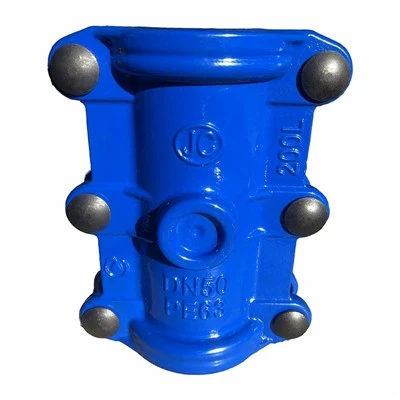
Spoiler alert: It’s not a yes or no answer. It’s way more about matching the clamp to the job, and I’ve seen too many people waste time, money, and even ship equipment by grabbing the wrong clamp off the shelf. Let’s break this down like we’re chatting over a cold beer after a long day on the water – no stuffy jargon, just real stuff I’ve learned out here.
First off, let’s remember what a straight repair clamp even is, for anyone new. It’s that two-piece, bolted clamp designed to fix a straight section of pipe – no elbows, no tees, just a straight run with a leak, corrosion, or a small crack. Simple enough, right? But marine environments? That’s a whole different beast than fixing a garden hose on land or a water pipe in your basement. Saltwater, constant temperature swings, UV exposure (if it’s above deck), debris from storms, even that slimy barnacle gunk that clogs everything – marine gear doesn’t get to sit in a climate-controlled garage. It’s out there, 24/7, taking a beating.
Now, let’s get into the good stuff: when straight repair clamps work for marine use. I’ve seen these things save a boat’s day more times than I can count. Let’s start with the most common marine pipes: freshwater lines, bilge pipes, and sometimes even some small-diameter seawater intake lines. If you’ve got a straight section of pipe that’s damaged – say, a rust pinhole in your bilge pipe that’s starting to spew water after a storm, or a corroded freshwater line on your cabin sink – a good straight repair clamp is perfect here. Why? Because it’s quick, it’s reliable, and if you get the right one, it’ll hold up way better than a patch and some epoxy (which, let’s be honest, I’ve tried that patch trick and it peeled off in saltwater within a week).
The key here is the materials. I can’t stress this enough – not all straight repair clamps are made equal for marine. My clamps are made from 316 stainless steel, not the cheap 304 stuff that’ll rust like a old bike in a rainstorm. 316 has that molybdenum alloy, which fights saltwater corrosion way better. We also line the inner part of the clamp with EPDM rubber – that stuff’s UV-resistant, stands up to oil and fuel (super important if you’re dealing with fuel lines), and doesn’t break down when it’s sitting in cold seawater or hot sun on deck. I once had a captain tell me he used my clamp on his bilge pipe during a crossing from Miami to Nassau – 3 days in the Atlantic, 10-foot swells, no leaks. That’s the kind of win we live for.
Another spot they shine? Temporary repairs. Let’s say you’re out on a fishing trip, your seawater line to the engine cracks right as you’re heading back to shore. You don’t have time to order a custom marine elbow repair clamp or weld a new section (especially if you don’t have a welder on board). A straight repair clamp? You just measure the pipe, grab the right size from your spare parts bin, tighten the bolts, and you’re good to go. I always tell captains to keep at least two spare straight clamps in different sizes on their boat – it’s like carrying a first-aid kit for your pipes. I’ve even had a coast guard crew use one of my clamps to fix a small vessel’s fuel line mid-rescue. That’s when you know a product works.
But wait, here’s where things go wrong – when straight repair clamps are NOT suitable for marine use, and I’ve seen way too many people make this mistake. First, if the damaged section isn’t straight. If you’ve got a pipe that’s at an elbow, or a tee, or it’s got a bend in it (which is super common in marine plumbing – pipes have to go around bulkheads, engines, seats), a straight clamp isn’t gonna work. It’ll gap at the bends, leak, and you’ll be back to square one faster than you can say “bilge pump failure”. I once had a customer come to me furious because his “marine straight clamp” leaked on his elbow pipe – turns out he bought a cheap off-brand one online, didn’t check the pipe shape, and tried to force a straight clamp onto a bent section. Oops.
Second, if you’re dealing with high-pressure lines. Marine engines, for example, have fuel lines that run at higher pressures than your household pipes. I’ve seen cheap straight clamps pop off a fuel line on a fishing boat at 20 knots – that’s a recipe for disaster. So if you’re working with a line that’s rated for over 100 PSI, you need a heavy-duty clamp, not the tiny ones you’d use for a garden hose. My heavy-duty marine straight clamps are rated up to 250 PSI, which covers almost every marine engine line, but I always tell customers to double-check their line’s pressure rating before buying. A clamp that can’t handle the pressure is just a fancy paperweight.
Third, don’t cut corners on materials. I can’t tell you how many people buy those cheap, coated steel clamps from the auto parts store and think they’re “marine-ready”. Those coatings peel off after a few months of salt and sun, and then the clamp starts rusting from the inside out. I had a customer last year who replaced a bilge pipe with a cheap clamp, and 6 months later, the clamp rusted through and flooded his entire lower cabin. He came to me embarrassed, but we fixed it with a 316 stainless steel clamp and he’s had zero issues since. Marine use isn’t the place to save a few bucks – spend a little more upfront, and you won’t be stuck fixing a leak in the middle of the ocean.
Another thing I’ve noticed: straight repair clamps work best for smaller diameter pipes. If you’ve got a big main seawater pipe, like 6 inches or more, a straight clamp might not be the way to go. They’re designed for pipes up to like 12 inches, but for larger lines, you might need a custom solution, or a different type of clamp that can cover the wider area. I once had a tanker captain ask if my straight clamps would work for his 18-inch seawater intake pipe – I told him no, and pointed him to a different heavy-duty clamp designed for larger diameter marine lines. It’s better to be honest and send someone to the right product than to sell them something that’ll fail.
Wait, let’s talk about installation, because even the best clamp is useless if you install it wrong. I’ve seen guys tighten the bolts so much they strip the threads, or so little that the clamp moves around. For marine use, you want to tighten the bolts evenly – go back and forth on each bolt, half a turn at a time, until the EPDM liner compresses just enough to seal, but not so much that you crack the clamp or the pipe. Also, make sure you clean the area around the damage before you put the clamp on – salt, grime, and barnacles will get between the liner and the pipe, and that’s a guaranteed leak. I always tell customers to use a wire brush to scrub the pipe, then rinse it with fresh water, before installing. A 2-minute cleaning job saves you hours of fixing a leak later.
Let’s also get real about longevity. I’ve got customers who’ve had my straight repair clamps on their boat for 7+ years, no leaks, no rust. But that’s not true for all clamps. If you’re using a clamp that’s not designed for marine, even if you install it right, it won’t last. I had a customer try a clamp from a big box store – lasted 2 months. Switched to my 316 stainless steel clamp, and it’s still going strong. That’s the difference between a product made for marine and one that’s just labeled “marine” to sell more.
Now, let’s answer the original question again – straight repair clamps suitable for marine use? The short answer is: yes, but only if you use the right ones for the right job. They’re perfect for small to medium straight pipes, low to medium pressure lines, temporary repairs when you’re out on the water, or permanent fixes for non-critical lines like bilge or freshwater. But if your pipe is bent, high-pressure, or large-diameter, you need a different solution. And always, always go for 316 stainless steel and EPDM lining – that’s non-negotiable for marine.
I know there’s a lot of noise out there about “marine grade” stuff, and a lot of it is just marketing. But after working with these clamps for years, I can tell you that the ones I supply are built for the abuse of the ocean. I’ve tested them in salt spray chambers for 1000+ hours, run them through pressure tests, and put them on my own boat (I’ve got one on my bilge pipe right now, actually) and they hold up.
If you’re someone who works on boats, owns a fishing boat, or is in the marine industry, I know how important it is to have reliable gear. You don’t want to be halfway to your fishing spot, or out on a long voyage, and have a pipe leak because you grabbed the wrong clamp. That’s why I always tell people to reach out if they’re not sure what clamp they need – I’ll ask you about your pipe size, pressure rating, what it’s carrying (freshwater, seawater, fuel?), and where it’s located (above deck, below deck, in the bilge?) and I’ll help you pick the right one. No pressure, no sales pitch, just real advice from someone who’s been there.
I’ve had customers come to me panicking at 8 PM on a Friday because their boat’s line broke before a weekend trip, and I can usually get a clamp to them by Monday morning. That’s the kind of service you need when you’re dealing with marine gear – fast, reliable, and someone who knows what they’re talking about.
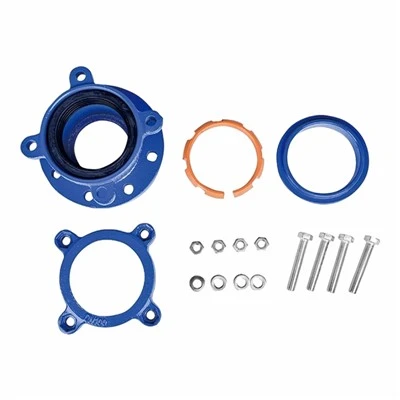
At the end of the day, marine use is all about preparation and making smart choices. Straight repair clamps aren’t a one-size-fits-all solution, but when used correctly, they’re one of the most reliable, cost-effective tools you can have in your marine toolkit. Don’t waste your money on cheap clamps that’ll rust or fail – invest in ones built for the ocean, and you’ll avoid a ton of headaches down the line.
Bell End Repair Clamp If you’re looking for straight repair clamps for marine use, or just have questions about what’ll work for your specific setup, don’t hesitate to reach out. I’m here to help you get the right clamp, so you can focus on enjoying your time on the water, not fixing leaks.
References
- Marine Corrosion Prevention: A Guide to Material Selection for Saltwater Environments, American Boat and Yacht Council (ABYC)
- Performance of Rubber Liners in Marine Repair Clamps, International Journal of Marine Engineering and Technology
- Straight Repair Clamp Installation Best Practices, National Marine Manufacturers Association (NMMA)
Fujian Fufa Valve Manufacturing Co., Ltd.
As one of the most professional straight repair clamp manufacturers and suppliers in China, we’re featured by quality products and good price. Please rest assured to buy durable straight repair clamp made in China here from our factory. Welcome to view our website for more information.
Address: Meilin Xikou Industrial Zone, Nan’an City, Quanzhou City, Fujian Province
E-mail: hongwenjin@fufafamen.cn
WebSite: https://www.fufavalve.com/
