As a supplier of fiberglass ceiling panels, I’ve always been passionate about not only the aesthetic and functional aspects of our products but also their impact on indoor air quality (IAQ). In today’s world, where people spend a significant amount of time indoors, the quality of the air we breathe is of paramount importance. Fiberglass ceiling panels are a popular choice for many commercial and residential buildings due to their various advantages, but how exactly do they affect the air we inhale? Fiberglass Ceiling Panels
Understanding Fiberglass Ceiling Panels
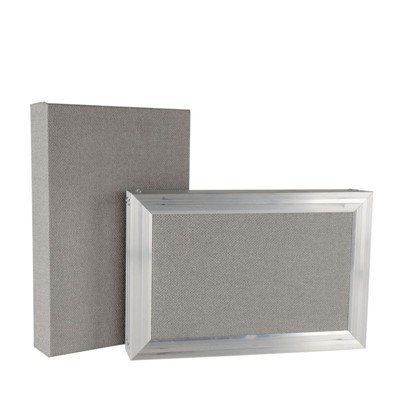
Fiberglass ceiling panels are made from fine glass fibers that are woven or pressed together to form a panel. These panels are known for their durability, fire resistance, and acoustic properties. They can be manufactured in different sizes, shapes, and textures to suit various design requirements. Plus, they are relatively easy to install and maintain, making them a cost – effective option for many construction projects.
Positive Effects on Indoor Air Quality
1. Moisture Resistance
One of the significant factors that can deteriorate indoor air quality is moisture. High humidity levels can lead to the growth of mold and mildew, which release spores into the air. These spores can cause a range of health problems, including allergies, respiratory issues, and skin irritation. Fiberglass ceiling panels are highly resistant to moisture. They do not absorb water, which means there is no risk of mold or mildew growth on the panels themselves. This helps in maintaining a dry and healthy environment, reducing the likelihood of airborne contaminants caused by fungal growth.
2. Particulate Filtration
Fiberglass has inherent filtration properties. The fine glass fibers in the ceiling panels can act as a filter for small particles in the air. As air circulates in a room, dust, pollen, and other particulate matter can get trapped in the fibers of the ceiling panels. This reduces the concentration of these particles in the air, making the indoor air cleaner and easier to breathe. In areas with high levels of outdoor pollution or in buildings that generate a lot of dust (such as workshops or manufacturing facilities), fiberglass ceiling panels can play a crucial role in improving the IAQ by reducing the amount of particulate matter that people are exposed to.
3. Chemical Stability
Fiberglass ceiling panels are chemically stable. They do not emit volatile organic compounds (VOCs) into the air. VOCs are a group of chemicals that are commonly found in many building materials, paints, and cleaning products. They can have a negative impact on human health, causing symptoms such as headaches, dizziness, and eye, nose, and throat irritation. In some cases, long – term exposure to high levels of VOCs can even lead to more serious health problems like damage to the liver, kidneys, and central nervous system. By using fiberglass ceiling panels, which are free from VOC emissions, building owners can ensure that the indoor air is free from these harmful chemicals.
Potential Negative Effects (and How to Mitigate Them)
1. Fiberglass Fiber Release
The most significant concern regarding fiberglass ceiling panels is the potential release of fiberglass fibers into the air. Inhalation of these fibers can cause irritation to the respiratory system, eyes, and skin. However, modern manufacturing processes have significantly reduced the risk of fiber release. High – quality fiberglass ceiling panels are treated with a binding agent that holds the fibers together tightly. This reduces the likelihood of fibers becoming airborne.
To further mitigate the risk, proper installation and maintenance practices should be followed. During installation, it is essential to use proper personal protective equipment (PPE), such as masks and gloves, to prevent direct contact with the panels. Once installed, regular inspections should be carried out to check for any signs of damage or wear. If a panel is damaged, it should be replaced immediately to prevent fiber release.
2. Maintenance and Cleaning
If not cleaned properly, fiberglass ceiling panels can accumulate dust and dirt over time. Although the dust is trapped by the panels, if it is not removed, it can become a breeding ground for bacteria and other microorganisms. To maintain good IAQ, it is recommended to clean the ceiling panels regularly. This can be done using a soft brush or a low – pressure vacuum cleaner. Avoid using harsh chemicals or high – pressure cleaning methods, as these can damage the panels and potentially release fibers.
Case Studies: Real – World Impact on IAQ
Let’s look at a few case studies to understand how fiberglass ceiling panels have influenced indoor air quality in different settings.
Office Building in a Polluted Urban Area
An office building in a large city with high levels of outdoor pollution decided to install fiberglass ceiling panels in its common areas and workspaces. Before the installation, air quality tests showed high levels of particulate matter inside the building, which was affecting the health and productivity of the employees. After the installation of the fiberglass ceiling panels, subsequent air quality tests revealed a significant reduction in particulate matter concentration. Employees reported fewer respiratory problems and a general improvement in the overall comfort of the workplace.
School Gymnasium
A school gymnasium was facing issues with high humidity and mold growth on its old ceiling. The musty smell and presence of mold spores were a concern for the students’ health. By replacing the old ceiling with fiberglass ceiling panels, the humidity problem was effectively addressed. The moisture – resistant properties of the fiberglass panels prevented further mold growth, and the air quality in the gymnasium improved significantly.
Conclusion

In conclusion, fiberglass ceiling panels can have a positive impact on indoor air quality when used correctly. Their moisture resistance, particulate filtration capabilities, and chemical stability contribute to a healthier indoor environment. However, it is crucial to address the potential negative effects, such as fiber release and proper maintenance, through proper installation and care.
Wooden Acoustic Panels For architects, contractors, and building owners looking to improve indoor air quality while also achieving an aesthetically pleasing and functional ceiling solution, fiberglass ceiling panels are an excellent option. If you are considering a project that requires high – quality ceiling panels and want to ensure the best indoor air quality for your space, I encourage you to get in touch with us. We have a wide range of fiberglass ceiling panels to meet your specific needs, and our team of experts can provide you with all the information and support you need for a successful installation. Let’s work together to create a healthier and more comfortable indoor environment.
References
- "Indoor Air Quality and Health", World Health Organization
- "Fiberglass Insulation and Indoor Air Quality", American Chemistry Council
- "The Impact of Building Materials on Indoor Air Quality", National Institute of Building Sciences
Guangzhou MQ Acoustic Materials Co., Ltd.
Guangzhou MQ Acoustic Materials Co., Ltd. is one of the most professional fiberglass ceiling panels manufacturers and suppliers in China, featured by quality products and low price. Welcome to buy CE approved fiberglass ceiling panels in stock here and get quotation from our factory. We also accept customized orders.
Address: Room D403, KeZhu Business Building, ZhuJi Road, TianHe District, GuangZhou, China
E-mail: Lizzy@mq-acoustics.com
WebSite: https://www.acoustic-projects.com/
