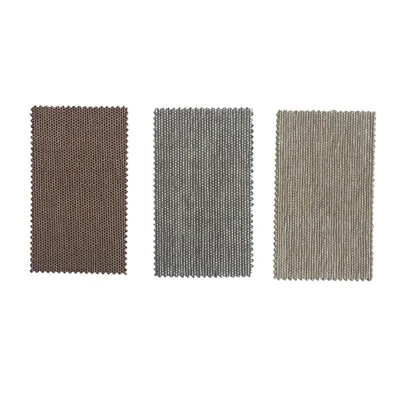
Hey there! As a supplier of sun shade fabric, I’ve been getting a lot of questions lately about the abrasion resistance of our products. It’s a super important topic, so I thought I’d take some time to break it down for you. Sun Shade Fabric
What is Abrasion Resistance?
First things first, let’s talk about what abrasion resistance actually means. In simple terms, abrasion resistance is a fabric’s ability to withstand wear and tear from rubbing, scraping, or friction. You know how your jeans start to get holes in the knees after a while of sitting and moving around? That’s abrasion at work. For sun shade fabric, it’s crucial because this stuff is constantly exposed to all sorts of elements that can cause rubbing and scratching.
Think about it – the wind is always blowing against the fabric, making it shift and rub against the frame of the sun shade. Birds might land on it, pecking and scratching. And if you have kids or pets, well, they might not be as gentle as you’d like when they’re around the sun shade. All these things can cause abrasion, and if the fabric isn’t resistant enough, it’ll start to show signs of damage pretty quickly.
Why is Abrasion Resistance Important for Sun Shade Fabric?
There are a few reasons why abrasion resistance is so important for sun shade fabric.
Durability
The most obvious one is durability. If you’re investing in a sun shade, you want it to last. A fabric with good abrasion resistance will be able to withstand all the rubbing and scratching it’ll face over time without falling apart. This means you won’t have to replace your sun shade as often, which can save you a lot of money in the long run.
Aesthetics
Another reason is aesthetics. A sun shade with a fabric that’s starting to look worn and frayed just doesn’t look good. It can make your outdoor space look shabby and unkempt. On the other hand, a fabric that’s resistant to abrasion will keep looking good for years, enhancing the overall look of your outdoor area.
Functionality
Finally, abrasion resistance is important for functionality. A damaged fabric might not provide the same level of sun protection as a new one. Holes or tears in the fabric can let in more sunlight, which defeats the purpose of having a sun shade in the first place. Plus, a damaged fabric might not be as stable, which can affect the overall performance of the sun shade.
How is Abrasion Resistance Measured?
There are a few different ways to measure the abrasion resistance of fabric. One of the most common methods is the Martindale abrasion test. In this test, a small sample of the fabric is rubbed against a standard abrasive material in a circular motion for a set number of cycles. The fabric is then examined for signs of wear, such as pilling, fuzzing, or tearing. The number of cycles it takes for the fabric to show a certain level of wear is used as a measure of its abrasion resistance.
Another method is the Taber abrasion test. In this test, a sample of the fabric is mounted on a rotating platform and rubbed against a pair of abrasive wheels. The weight of the wheels and the number of rotations are controlled, and the weight loss of the fabric is measured after a certain number of revolutions. The lower the weight loss, the more resistant the fabric is to abrasion.
Factors Affecting Abrasion Resistance
A few things can affect the abrasion resistance of sun shade fabric.
Fiber Type
The type of fiber used to make the fabric is a big factor. Some fibers are naturally more abrasion-resistant than others. For example, polyester is known for its good abrasion resistance. It’s strong and durable, and it can withstand a lot of rubbing and scratching. Nylon is another fiber that’s often used in sun shade fabric because it’s also very abrasion-resistant. On the other hand, fibers like cotton are not as abrasion-resistant. They’re softer and more prone to wear and tear.
Fabric Construction
The way the fabric is constructed also matters. A tightly woven fabric is generally more abrasion-resistant than a loosely woven one. This is because the tight weave makes it harder for the fibers to move around and rub against each other or against the abrasive material. Knitted fabrics can also vary in abrasion resistance depending on the type of stitch used.
Finish
The finish applied to the fabric can also affect its abrasion resistance. Some finishes can add a protective layer to the fabric, making it more resistant to wear and tear. For example, a fabric with a Teflon finish is more likely to resist stains and abrasion than one without.
Our Sun Shade Fabric and Abrasion Resistance
At our company, we take abrasion resistance seriously. We know that our customers expect our sun shade fabric to last, so we use high-quality fibers and advanced manufacturing techniques to ensure that our products are as abrasion-resistant as possible.
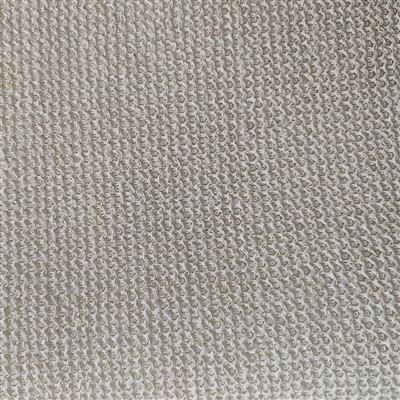
We use a blend of polyester and nylon in our fabrics. This combination gives us the best of both worlds – the strength and durability of polyester and the high abrasion resistance of nylon. Our fabrics are also tightly woven, which further enhances their abrasion resistance.
In addition, we apply a special finish to our fabrics that not only adds a layer of protection against abrasion but also makes the fabric more resistant to UV rays, water, and stains. This means that our sun shade fabric not only looks good and lasts a long time but also performs well in all sorts of outdoor conditions.
How to Maintain the Abrasion Resistance of Your Sun Shade Fabric
Once you’ve purchased our sun shade fabric, there are a few things you can do to maintain its abrasion resistance.
Regular Cleaning
Regular cleaning is important. Dirt and debris can act like abrasives, rubbing against the fabric and causing damage over time. You can use a mild soap and water to clean the fabric, and make sure to rinse it thoroughly. Avoid using harsh chemicals or abrasive cleaners, as these can damage the fabric.
Proper Storage
If you’re not using the sun shade for an extended period of time, it’s a good idea to store it properly. Fold it up neatly and keep it in a dry, cool place. Avoid storing it in a place where it might get rubbed against other objects.
Avoid Sharp Objects
Try to keep sharp objects away from the sun shade fabric. Even a small tear or cut can weaken the fabric and reduce its abrasion resistance. If you need to use tools or other objects near the sun shade, be careful not to scratch or puncture the fabric.
Conclusion
So, there you have it – a quick overview of the abrasion resistance of sun shade fabric. It’s an important factor to consider when choosing a sun shade, and at our company, we’re committed to providing you with the highest quality, most abrasion-resistant fabric possible.
If you’re in the market for sun shade fabric, I’d love to talk to you more about our products. We have a wide range of options to choose from, and we can help you find the perfect fabric for your needs. Whether you’re looking for a fabric for your home patio, a commercial outdoor space, or something else, we’ve got you covered.
Don’t hesitate to reach out if you have any questions or if you’re ready to discuss your purchase. We’re here to make sure you get the best sun shade fabric at the best price. Let’s work together to create the perfect outdoor space for you!
Textilene Fabrics References
- Textile Institute. (2010). Handbook of Textile Testing and Quality Control. Woodhead Publishing.
- ASTM International. (2019). Standard Test Methods for Abrasion Resistance of Textile Fabrics (Martindale Abrasion Tester Method). ASTM D4966 – 19.
- ASTM International. (2018). Standard Test Method for Abrasion Resistance of Textile Fabrics by the Taber Abraser. ASTM D3884 – 18.
Nanping Kingway New Material Co., Ltd.
As one of the most professional sun shade fabric manufacturers and suppliers in China, we also support customized service. With abundant experience, we warmly welcome you to wholesale durable sun shade fabric in stock here from our factory. If you have any enquiry about pricelist, please feel free to email us.
Address: No. 10, Chengnan Branch Road, Chengjiao Town, Nanping, Fujian, China.
E-mail: npjwxcl@aliyun.com
WebSite: https://www.suernew.com/
