Hey guys, if you’ve ever sourced custom labels for your clothing, apparel line, or even branded accessories, you’ve probably seen two big buzzwords thrown around: woven labels and embroidered labels. As someone who’s been running a woven label supplier for years, I get it—mixing these two up is super common, especially when you’re new to branding and don’t know what’s actually best for your needs. A lot of folks reach out to me confused, thinking they’re basically the same thing, but trust me, they’re night and day when it comes to feel, durability, brand vibe, and even cost. Let me break this down like I would over a coffee, no jargon, no fancy stuff. Woven Label
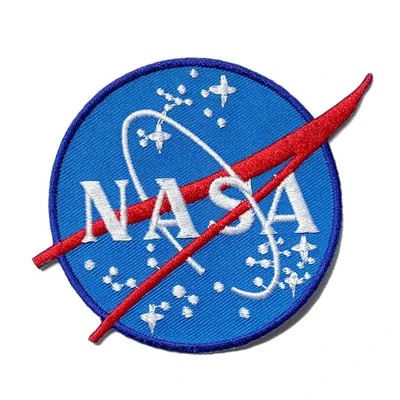
First, let’s start with the basics of what each actually is, because that’s where most people’s mix-ups start. Woven labels are stitched (wait, technically they’re woven) from thread right on a loom—think of it like a tiny piece of fabric that’s woven your brand name, logo, or care instructions directly into the threads. It’s not printed, it’s not sewn on top as a patch; it’s part of the fabric itself. Embroidered labels, on the other hand, are made by stitching thread onto a base fabric (usually cotton, felt, or even a mesh) using an embroidery machine. So it’s a design sitting on top of a base, not woven into it. That core difference might sound tiny, but it ripples through every single use case.
Let’s talk about feel first, because that’s the big one customers notice immediately when they run a hand over their clothing. I’ve had so many clients come to me complaining about scratchy embroidery labels on their hoodies—they say people are ripping them out because they’re uncomfortable on the neck or waistband. Why is that? Because embroidery uses thread that’s raised off the base fabric. Even if it’s a thin stitch, there’s a little ridge there, and over time, that ridge can get flattened a bit, but it’s still not smooth. Woven labels? They lay totally flat against the fabric. No raised threads, no scratchy edges—they blend right in, almost like they’re part of the garment’s own fabric. That’s a huge win for apparel where comfort is non-negotiable: t-shirts, loungewear, kids’ clothes, athletic wear, anything that’s going to touch skin a lot. I once had a mom tell me she switched from embroidered labels for her kids’ branded tees because her son used to peel at the label nonstop during soccer practice—now with woven, he doesn’t even notice it’s there. Game changer.
Next up, durability, which ties into how your brand looks over time. Let’s test this: throw a shirt with a woven label in the wash, dry it on high heat, even iron over it if you’re careful, and that label’s still going to look the same as day one. Woven labels are part of the fabric, so they don’t fray at the edges easily. Wait, right—edges matter here too. Woven labels can have heat-cut or folded edges, which means the threads on the sides are melted or folded over so they don’t unravel. Embroidered labels? Their edges (if they’re not finished) can fray super fast. Even if you get a finished embroidered label, the edge is still a sewn line, which can pull loose after a dozen washes. I’ve seen a designer’s embroidered label on a denim jacket come apart after 5 washes, and she was so upset because it was the only custom piece she had for her small line. Woven labels hold up way better to repeated washing, rubbing, all that wear and tear. That’s critical for brands that sell products that get used hard—athletic gear, workwear, even outdoor apparel.
Then there’s the design flexibility, which is where a lot of creative brands get stuck. Wait, both have limits, but they’re totally different limits. Embroidered labels are great for bold, blocky designs, thick lines, and logos with lots of solid color. Because embroidery uses stitching, small details can get lost—if you have a super tiny font, or a thin logo element, embroidery might skip over it or it’ll look blurry. I’ve seen brands try to put a 6pt font on an embroidered label and it ends up looking like a smudge. Woven labels, though? They’re amazing for fine details, even small fonts, gradients, or intricate logos. Because you’re weaving the thread into the fabric, you can get those tiny lines just right. Wait, but hold on—if you have a super fluffy, detailed design with lots of thread, embroidery can pop more, right? Like a 3D logo patch for a streetwear brand? That’s where embroidery shines. If your brand is going for a bold, edgy look with a raised logo, embroidery is the way to go. If you want a subtle, premium look that feels clean, woven is better. I work with a lot of small boutique brands that sell sustainable loungewear—they love woven labels because their brand identity is “minimal, understated, luxury casual,” and a flat woven label fits that way more than a chunky embroidered one.
Cost is another big one, especially for small business owners who are working with tight budgets. Let’s be real: when you’re ordering 100 or 500 labels, embroidery is usually cheaper. Why? Because embroidering a label is a faster process sometimes, especially for simple designs. But if you’re ordering larger quantities—like 1,000+ labels—woven labels end up being more cost-effective. Wait, why? Because woven labels are made on looms in bulk, so the per-unit cost drops a lot when you order more. Also, if you have a custom shape or lots of fine details, embroidery can require more time and thread, which makes it pricier even for smaller orders. I’ve had a brand come to me wanting 200 labels with a super intricate forest logo; the embroidery quote was twice as much as the woven label quote because the embroidery machine had to stitch so many small lines. So it depends on your order size and your design, but it’s not a one-size-fits-all when it comes to cost.
Wait, let’s not forget use cases, because that’s how you pick which is right for you. When should you go woven? If you’re making apparel that touches skin (t-shirts, loungewear, kids’ clothes), products that get washed a lot (athletic wear, workwear), if you want a subtle, premium feel, or if you have fine details in your logo or care instructions. I also recommend woven labels for things like tote bags, hat inner labels, and even book bags—anything where the label is going to be in close contact with your body. When should you go embroidered? If you want a bold, eye-catching logo, like a jacket patch, a bag tag, a denim jacket accent, or something that’s meant to stand out. Embroidered labels are also popular for accessories like hats, where the inner band is tough, so people don’t mind a little texture there. But if you put an embroidered label on a yoga pants waistband, you’re gonna get complaints. Trust me, I’ve heard it all.
A common myth I hear all the time is that woven labels are “cheap” and embroidered is “high-end.” That’s total BS. Wait, no—let me clarify: a low-quality woven label (thin thread, bad loom) is gonna feel cheap, but a high-quality woven label, which is what we make, feels super premium, like a quality fabric. A cheap embroidered label can be scratchy and fray, but a good embroidered label is smooth too. It’s all about the quality of the materials and the process. As someone who’s in the woven label game, I’ve seen brands skimp on woven labels by using cheap polyester thread instead of high-quality cotton or polyester blend, and it shows. But when done right, woven labels feel way more luxurious than a lot of embroidered ones.
Another thing: care instructions. Wait, most people don’t think about care labels, but that’s a huge part of labels. If you have care instructions that are small, need to be easy to read, woven labels are the way to go. Because embroidery can’t do tiny, clear text that’s easy to read after washing. A woven care label with 8pt font still stays crisp, while an embroidered one might blur after a few washes. That’s a big deal for clothing brands—you need people to know how to wash their product, so if the care label is unreadable, that’s a problem. I had a brand last month that switched their care labels from embroidered to woven because so many customers were messaging them asking how to wash the items—turns out the embroidered care text was almost impossible to read after the first wash. It was such a simple fix, and their customer complaints dropped instantly.
Wait, let’s throw in a real example to make it concrete. Let’s say you’re a small brand making 500 cotton t-shirts for your summer pop-up. You want a label on the neck that says your brand name, “Handmade in [your city],” and care instructions. Your options: embroidered vs woven. Embroidered would cost you, let’s say, $0.50 per label for 500, total $250. But the label is scratchy, might fray after 5 washes, and the small “Handmade in [city]” text is blurry. Woven would cost you $0.75 per label for 500, total $375. But it’s flat, no scratch, holds up for hundreds of washes, and the text is crisp and easy to read. Which one is better for your brand? If you’re a luxury handmade brand, the woven label is worth the extra $125 because it adds to your premium vibe, and customers won’t complain about it being uncomfortable. If you’re a fast-fashion brand selling $10 t-shirts, the embroidered might make sense for the lower cost, but you’ll have to deal with returns or complaints. That’s the trade-off.
I’ve been doing this for over 10 years now, and the number one mistake new brand owners make is picking a label based only on cost or how it looks in a photo, without thinking about the end user. Last year, a guy who was making custom dog collars came to me with embroidered labels. His customers were emailing him saying the labels were scratchy against their dogs’ necks, and a lot of dogs were rubbing at the collars so the labels were coming loose. He switched to woven labels, and within 2 weeks, those complaints stopped. That’s a perfect example of choosing the right label for the product, not just the design.
Wait, another difference: custom shapes. Can you do custom shapes with both? Yeah, but woven labels are way more flexible for odd shapes. You can make a woven label into a heart, a circle, a tiny square, even a weird shape that matches your logo, no problem. Embroidered labels can do custom shapes too, but if the shape has tiny curves or points, the embroidery might not come out clean. I once had a client who wanted a woven label shaped like a small mountain—we did it no problem, the edges were smooth, the lines were crisp. When he tried to get the same shape embroidered, the edges kept fraying and the mountain peak came out blurry. So that’s another win for woven if you have a unique shape.
Let me wrap this up by making it super simple, so you don’t have to think too hard. If you’re making something that touches skin, needs to be comfortable, holds up to lots of washes, or has fine details/text: go woven. If you’re making something that’s a decorative accent, patch, or tag, and you want a bold, raised look: go embroidered.
Now, if you’re a brand owner who’s ready to order custom labels, or just want to chat about which one is right for your product, hit me up. I’ve worked with everything from small startups with 100 products to big brands with 10,000+ orders, so I can help you pick what fits your needs, budget, and vibe. No pushy sales, no confusing jargon—just straight talk about labels that work for you.
Woven Label References
- Textile Institute. (2021). Comparative Performance of Woven vs. Embroidered Textile Labels: Durability and Comfort Metrics. Journal of Textile and Apparel Technology and Management.
- Apparel Industry Association. (2022). Custom Label Selection Guide for Small and Medium Apparel Brands. Apparel Manufacturing Trends Report.
- Sustainable Textile Association. (2023). Consumer Feedback on Label Comfort for Casual and Athletic Apparel. Consumer Insights Survey.
Yiwu Lanying Garment Accessories Co., Ltd.
As one of the most professional woven label manufacturers and suppliers in China, we’re featured by quality products and good service. Please rest assured to wholesale premium woven label at competitive price from our factory. Customized orders are welcome.
Address: F1,NO.448, Majiaotang Village, Houzhai Street, Yiwu City, Zhejiang Province, China 322000
E-mail: zhangchunyingzi@126.com
WebSite: https://www.embroideredpatchfactory.com/
