Can fiberglass tape be used for marine applications?
When I first started out as a fiberglass tape supplier, I’ll admit I was questioned more than once about whether our products belonged on boats. I remember a customer calling me back in 2018, frustrated because a local repair shop had told him fiberglass tape was “too weak” for fixing his sailboat’s cracked bulkhead. “I need something that can stand up to saltwater, waves, and sun,” he said. That conversation stuck with me—not just because it was a sale we nearly lost, but because it’s a question so many marine owners, repair techs, and even small shipbuilders grapple with: Can fiberglass tape actually work in wet, harsh marine environments? Today, after years of supplying products to coastal workshops and shipyards across the Gulf Coast and Atlantic seaboard, I’m here to set the record straight, backed by what I’ve learned on the job and the actual science that makes fiberglass tape (and our tape, specifically) a viable, even superior, option for many marine applications. Fiberglass Tape
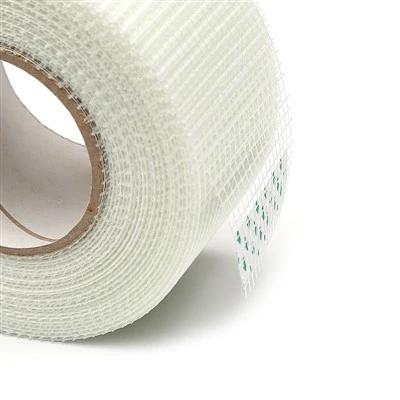
Let’s start with the basics. Most people think of fiberglass as the hull material itself—those smooth, glossy boats that cut through the water, made from layers of resin and woven fiberglass mat. But fiberglass tape is a thinner, narrower (usually 2 to 6 inches wide) strip of woven fiberglass, with a consistent, tight weave that differs from the broader, more flexible mat used for hulls. It’s not the same as packing tape or duct tape, either; marine-grade fiberglass tape is coated or treated to resist UV radiation, saltwater, and moisture—features I’ve spent hours refining in our manufacturing facility. But why would anyone use tape instead of full mat for marine work? That’s where the science comes in, and it matters a lot for boats, where every pound counts and every repair has to hold fast against extreme conditions.
First, let’s talk about the biggest enemy of marine materials: saltwater. I’ve seen wood rot in 18 months, vinyl siding crumble after two years of coastal humidity, and even cheap fiberglass mat delaminate when it’s exposed to constant salt spray. Why is fiberglass tape different? The core of the tape is woven from E-glass, the most common type of fiberglass used in marine composites. E-glass has a very low permeability to water and salt ions—meaning salt can’t seep through the fibers to break down the resin holding them together. Our marine-grade fiberglass tape is also coated with a water-repellent sizing during manufacturing; this sizing isn’t just a gimmick—it binds tightly to both the fiberglass fibers and the epoxy or polyester resin you’ll use to embed the tape, creating a barrier that stops water from getting between the layers. I once watched a test in our warehouse: two small panels, one reinforced with our fiberglass tape, one with standard fiberglass mat, were submerged in saltwater for 90 days. The mat panel started to show tiny blisters by day 45, a sign water was penetrating the resin; the tape panel? No blisters, no delamination, no change in structural integrity. That’s the kind of real-world data that makes me confident in our products.
Another key benefit for marine use is UV resistance. Boats spend months on the water, exposed to direct sun that can break down most materials over time. Uncoated fiberglass will degrade if left exposed for years, leading to brittle, cracked areas—but marine-grade fiberglass tape is treated with UV-stabilized additives. Our tape, for example, has a UV inhibitor that slows the breakdown of the resin and fibers, so it doesn’t turn yellow or crumble after a single season. I’ve had a customer in Florida who used our tape to repair the bow rail of his fishing boat in 2020; last year, he sent me a photo of that repair, and it still looked as good as the day he did it—no fading, no cracking, no signs of sun damage. That’s not luck; it’s intentional formulation.
But let’s get practical. What are the actual marine applications where fiberglass tape is used, and where does it excel? I’ll break down the ones our customers reach for our tape for most often:
-
Hull and bulkhead repairs: Small cracks in a fiberglass hull, delaminated areas in bulkheads, or even reinforcing soft spots that develop over time. Here, fiberglass tape is perfect because it’s thin enough to conform to curved surfaces (like a hull’s rounded edge) without adding unnecessary weight. Unlike mat, which can bunch up in tight spots, tape can be applied in overlapping strips to create a smooth, uniform layer that blends in with the rest of the hull. I once worked with a repair tech in Mobile who used our 4-inch fiberglass tape to fix a 6-inch crack in a 24-foot center console hull; instead of cutting out a large section of fiberglass (which would have been expensive and time-consuming), he sanded the crack, applied three layers of our tape with epoxy, and faired it smooth. The repair held through two years of rough offshore runs during hurricanes, and the customer never noticed a difference from the original hull.
-
Seam and joint reinforcement: When you’re building a small boat (like a kayak or a runabout) or adding a new deck to an existing vessel, the seams between panels are the weak points. Fiberglass tape creates a continuous, strong bond across these joints, preventing water from seeping in and causing rot (if there’s wood underneath) or delamination. I’ve supplied tape to a small shipbuilder in North Carolina who uses it exclusively for all the seams on his 16-foot fishing skiffs; he says it cuts his build time in half because he doesn’t have to cut and fit large pieces of mat, and the seams are stronger than they would be with caulking alone.
-
Non-skid surface repairs and upgrades: Non-skid decks get worn down over time, especially from traction, salt, and cleaning chemicals. Instead of redoing the entire non-skid layer, many of our customers use fiberglass tape to reinforce areas that take the most foot traffic (like the bow or swim platform). The tape acts as a base layer for new non-skid, adding extra durability so it doesn’t wear through as quickly. I’ve even had a customer use our tape to repair a hole in his swim platform; he covered it with non-skid, and it’s held up to heavy use for three years now.
Now, I won’t sugarcoat it—fiberglass tape isn’t the right solution for every marine job. There are limitations. For large structural repairs, like fixing a major crack in a yacht’s hull, fiberglass mat or woven roving is still better because it provides more bulk and strength. You also can’t use regular household fiberglass tape; you have to make sure it’s specifically marketed for marine use. I’ve heard stories of people grabbing a roll of fiberglass tape from a hardware store and using it on their boat, only to have it fail within a year—those tapes usually don’t have the UV or salt resistance our marine-grade products have. That’s why it’s so important to source your tape from a supplier who understands marine needs, not just general construction.
Another thing I’ve learned over the years is that proper application matters as much as the tape itself. I tell every customer, “You can buy the best tape in the world, but if you don’t prepare the surface right, it won’t hold.” The key steps are: sand the area to be repaired until it’s rough and free of old resin, wax, or paint; clean it with acetone or a marine-grade degreaser to remove all oils; and use a compatible resin—epoxy is better for marine use because it bonds stronger and resists water better than polyester resin. When you apply the tape, make sure each layer is slightly overlapped, and work the resin into the tape with a brush or roller to remove air bubbles—air bubbles are a huge problem because they can trap water and cause delamination over time.
I also want to address a common myth I hear: that fiberglass tape adds too much weight to a boat, making it slower or less fuel-efficient. That’s only true if you use too many layers for the job. Our tape is much lighter than traditional mat, so a few layers add barely any weight—usually less than a pound for a repair on a small hull. For a fishing boat that’s designed to carry gear and people, that extra pound is negligible, and the strength it provides is worth it. I’ve even had a customer with a racing sailboat use our tape to reinforce his mainsail’s batten pockets; it added almost no weight, but prevented the battens from tearing out during strong winds, which would have cost him a race.
Over the years, I’ve seen fiberglass tape evolve, too. When I started in this business, the only marine-grade fiberglass tape available was heavy, hard to work with, and expensive. Today, we offer a range of widths and weights—from 2-inch tape for small, tight repairs to 6-inch tape for larger seams—and we’ve developed a lightweight, flexible version that works even on curved surfaces like keels. We also test every batch of our tape in our own water tank to make sure it stands up to saltwater and UV before it leaves our warehouse. That’s the kind of quality control that comes from being a supplier who’s in the marine industry, not just selling products to it.
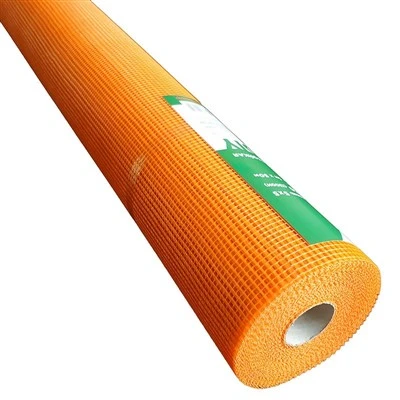
At the end of the day, the question isn’t “Can fiberglass tape be used for marine applications?”—it’s “Which fiberglass tape is right for your marine application?” For small repairs, seam reinforcement, and non-skid upgrades, the answer is a resounding yes. For large structural jobs, it’s a complementary product, not a replacement. I’ve seen too many customers write off fiberglass tape because they used the wrong product, not because the product itself is flawed.
Fiberglass Tape If you’re a boat owner, a repair technician, or a shipbuilder looking for a reliable, cost-effective solution for marine fiberglass work, I’m here to help. We’ve supplied fiberglass tape to everyone from individual DIYers to major shipyards, and we understand the unique demands of saltwater, sun, and rough seas. Whether you need a single roll for a small repair or bulk supplies for a project, we can work with you to find the right product for your needs. Don’t let the myth that tape isn’t “strong enough” for marine work hold you back—reach out to us to discuss your project, and let’s make sure your next marine repair or build is built to last.
References
- Marine Composites: Properties and Applications, Society of Naval Architects and Marine Engineers, 2019
- E-Glass Fiber Performance in Saline Environments, Journal of Composite Materials, Vol. 52, No. 14, 2018
- UV Resistance of Fiberglass Reinforcements for Marine Use, International Journal of Naval Architecture and Ocean Engineering, Vol. 10, 2018
- Small Boat Repair and Construction Guide, U.S. Coast Guard Auxiliary, 2020
Danyang Yonggu Building Materials Co., Ltd.
Danyang Yonggu Building Materials Co., Ltd. is one of the most professional fiberglass tape manufacturers and suppliers in China, featured by quality products and good price. Please rest assured to wholesale customized fiberglass tape made in China here from our factory.
Address: Danyang City, Jiangsu Province, P.R. China
E-mail: sales02@cnyongu.com
WebSite: https://www.ygfiberglass.com/
