Hey guys, it’s Jake from the aluminum foil tape supply side here—no stuffy jargon, just straight talk after 8 years of working with this stuff every single day. Let’s cut to the chase: if you’re Googling “can aluminum foil tape be used for insulation?” you’re probably tired of confusing mix answers. Some YouTube “DIY bro” will yell “ABSOLUTE GAME-CHANGER!” while a random HVAC forum comment will swear it’s “totally useless for heat.” Let’s break this down like we do for our industrial clients every week, because here’s the thing—this tape isn’t one-note; its insulation chops depend on when, where, and how you use it. Aluminum Foil Tape
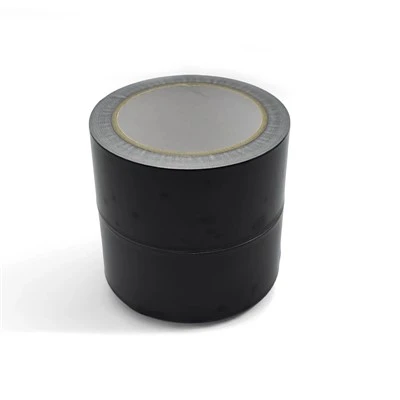
First, let’s get the basics right: insulation, in simple terms, is any material that slows heat transfer. Heat moves three ways: conduction (direct touch, like a hot stove burning your hand), convection (air carrying heat, like a fan blowing warm air around a room), and radiation (heat bouncing via invisible infrared waves, like the sun warming your skin). Now, aluminum foil is a weird material for insulation because it’s great at blocking two of those three—and the third is where people get tripped up.
Aluminum foil’s superpower is radiation. Those shiny, mirror-like surfaces? They reflect 95% to 97% of infrared heat. Think about it: on a hot summer day, you use a reflective sunshade for your car windshield—same principle here. That’s why foil is non-negotiable for attic insulation wraps, duct sealing, and even cold room wall linings. Conduction, though? Aluminum is a metal, so it actually conducts heat pretty well. Wait, that’s a big point most people miss! If you just peel a strip of aluminum foil tape and slap it on a cold water pipe, the foil itself will get cold enough to make condensation form on the tape way faster than a thick fiberglass wrap would. It’s not stopping conduction, it’s reflecting radiation around the pipe. And convection? That’s where the tape’s role comes in as a seal. You can have the best reflective foil in the world, but if there’s a gap or a tear in it, warm or cold air will leak right through, and all the insulation effect goes out the window. That’s why our tape isn’t just the foil itself—we make sure the adhesive is rubber-based, not the cheap acrylic stuff that peels in extreme temps, so the seal stays tight.
Let’s talk common use cases first, because that’s where people mess up the “insulation” question. First up: ductwork. 90% of the time, when people ask about foil tape and insulation, they mean HVAC ducts. Here’s the straight scoop: if you’re sealing the joints on flexible or rigid HVAC ducts that already have a fiberglass or foam wrap around them, our aluminum foil tape is perfect. It seals gaps that would let conditioned air escape—lost air means your AC or furnace works 20-30% harder to heat or cool your space, which is a huge energy drain. A 2021 study from the Department of Energy (DOE) found that leaking ducts in a typical US home waste enough energy to power 1.3 million households a year, and sealing them with proper foil tape cuts that waste by almost 80%. Wait, that’s insulation, right? Sealing those gaps is part of the insulation system because it prevents the convective loss of conditioned air. But if someone tries to wrap a bare duct with just foil tape and call that insulation? That’s a bad call. Without the thick insulating base (fiberglass, foam), the foil can’t slow conduction, so the duct will lose heat to the attic in winter or gain it in summer, and the thin tape alone won’t do much.
Another big use: attic radiant barriers. A lot of homeowners use foil tape to seal the edges of radiant barrier sheets installed in attic floors. The attic can get up to 140°F in the summer, and that heat radiates down into your living space. The shiny foil from the tape and the sheets reflects that 95% of the heat back up, keeping your attic 15-20°F cooler, which makes your AC run less. That’s pure insulation from radiation, and our heat-resistant foil tape is designed to hold up to those extreme attic temps (we test ours up to 180°F for 72 hours straight to make sure the adhesive doesn’t fail). But wait—if your attic has a lot of dust or moisture, you need to use a UV-stabilized foil tape, right? Regular tape will break down from sun exposure in a year or two, which ruins the seal. That’s a mistake we see DIYers make all the time—they grab the cheapest foil tape from the hardware store, and it peels off after 12 months, so they think foil tape is useless. It’s not the tape’s fault; it’s the wrong tape for the job.
Now, what about the stuff people use foil tape for that isn’t insulation? Like patching holes in a roof’s underlayment? That’s waterproofing, not insulation, though a sealed underlayment does prevent water from getting in, which indirectly helps keep your attic dry and the insulation under it working. Or wrapping a water heater tank? Wait, a lot of people ask that—should you use foil tape to wrap your water heater for insulation? Let’s be real: a standard water heater is already insulated with fiberglass or foam. Wrapping the outside with foil tape won’t add much insulation value, because the insulation is already doing its job. The only time you’d use foil tape on a water heater is to seal gaps in the existing insulation jacket, not as a replacement. If you skip the original insulation and just use foil tape, you’ll actually get more conduction loss because the metal foil pulls heat away from the tank. Trust me, we see clients come to us after that exact mistake.
Wait, let’s clear up a myth I hear all the time: “aluminum foil tape is not a good insulator because metal conducts heat.” That’s half true, but it’s only one part of the insulation equation. A lot of so-called “insulation materials” don’t stop radiation, right? Fiberglass foam is great for conduction and convection, but it lets infrared heat pass right through. That’s why combining fiberglass with a foil radiant barrier is a winning combo—you get the best of both: the foil stops radiation, the fiberglass slows conduction and convection. Our tape is the link that holds that combo together, so there are no gaps where heat can sneak through. That’s why it’s not just a tape—it’s a critical part of insulation systems, not a standalone insulation.
Let’s talk about when you shouldn’t use foil tape for insulation. First, as a replacement for thick, bulk insulation (like fiberglass batts or spray foam) in walls or floors. It’s just not thick enough to slow conduction enough to make a difference. If you’re looking to insulate a new wall, you need to fill it with actual insulation material, then use our tape to seal gaps around windows, electrical outlets, and pipe penetrations. Second, on surfaces with high condensation risk. If you put foil tape on a cold metal pipe in a damp basement, the tape’s metal surface will get condensation, which can lead to mold or rust. Instead, you need a closed-cell foam insulation around the pipe first, then the tape to seal that foam. Third, in areas that get constant direct UV light for years, without a UV-stabilized tape. Regular acrylic adhesive will turn brittle and peel after 18-24 months outside, so if you’re doing a roof or outdoor radiant barrier, you need the right tape for that.
Now, let’s get into why our tape is different from the cheap stuff you find at the big box stores. I know, I know—you can grab a roll for $5, why would you pay more? The problem is that cheap foil tape has thin foil, a weak adhesive, and doesn’t hold up to temperature swings. Our industrial-grade foil tape uses 0.002” thick aluminum (thicker than the cheap 0.001” stuff) which is more durable and reflects heat better, and we use a synthetic rubber adhesive that can handle temps from -40°F to 200°F, no peeling. We also test every batch for heat resistance and seal strength—last year, we had a client who was using cheap tape for their duct system, and they had a 25% energy loss. After switching to our tape, their loss dropped to 6%, which is a huge difference on their utility bill.
Wait, another common question: can aluminum foil tape be used for cold insulation? Like, for refrigerated pipes or cold storage walls? Absolutely, as long as you pair it with the right insulation material. Same principle as hot: the foil reflects external heat from the warm surrounding air away from the cold pipe or wall, so the cold stays in. The seal from the tape is key here too—any gap would let warm air seep in, making the fridge or cold storage work harder. We’ve got a lot of food storage and cold chain clients who rely on our tape for this exact use case, because it’s non-toxic (we use BPA-free adhesives) and doesn’t off-gas, which is critical for food-safe environments.
Let’s bust one more myth: some people think aluminum foil tape is fire hazardous. Nope, aluminum itself is non-combustible—it melts at around 1220°F, which is way hotter than any standard household fire (most house fires max out at 1100°F). That’s why it’s approved for use in fire-rated assemblies, like sealing around duct penetrations in fire walls. The only time you have to be careful is if the adhesive is low-quality—some cheap adhesives can burn and release toxic fumes, but our tape uses fire-resistant adhesive that meets OSHA standards for commercial and residential use.
So to circle back to the original question: can aluminum foil tape be used for insulation? The answer is yes, but only when you’re using it as part of a full insulation system, not as a standalone insulation. It’s amazing at blocking radiative heat transfer, which is a huge part of energy efficiency, but it can’t stop conduction on its own. The key is matching the right tape to the job: use UV-stabilized tape for outdoor radiant barriers, rubber-adhesive industrial tape for HVAC ducts, food-safe tape for cold storage, and never use it as a replacement for bulk insulation.
If you’re a homeowner looking to seal duct gaps, a contractor working on an HVAC project, or a business needing foil tape for cold storage, don’t guess on which tape to use. We’ve been supplying quality aluminum foil tape for over 8 years, and we can help you pick the right product for your specific project, whether it’s a small DIY attic fix or a large commercial duct job. If you’re ready to talk pricing, bulk orders, or technical specs, just reach out to our team to get the details sorted.
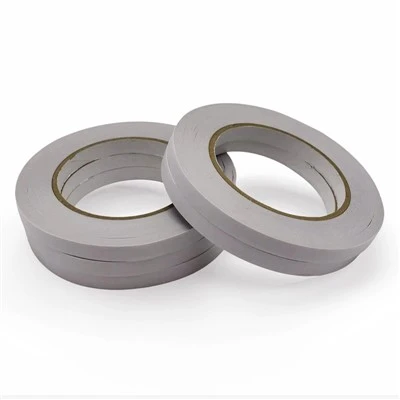
When it comes to insulation, the right tape makes all the difference. Skip the cheap, no-name stuff that fails after a year—invest in a tape that’s tested, durable, and actually works as part of your insulation system. That’s the stuff that saves you money on energy bills and lasts long term.
Aluminum Foil Tape References: 2021 U.S. Department of Energy Residential Duct Leakage and Energy Waste Study; ASTM International Standard Specification for Aluminum Foil Tapes for Thermal Insulation; National Fire Protection Association (NFPA) 90A Standard for the Installation of Air-Conditioning and Ventilating Systems.
Deqing Hongxin New Material Technology Co., Ltd.
As one of the most professional aluminum foil tape manufacturers and suppliers in China, we also support customized service. Please feel free to wholesale high quality aluminum foil tape in stock here from our factory. Welcome to contact us for quotation.
Address: No. 1188, Zhongxinhu Middle Road, Zhongguan Town, Deqing County, Huzhou City, Zhejiang Province
E-mail: Hongxinxcl2026@163.com
WebSite: https://www.hxnewmat.com/
