If you’ve walked through a modern open-plan office lately, you’ve probably noticed the quiet shift away from cold, uniform drywall and vinyl paneling. More teams are leaning into natural materials that balance style with practicality, and bamboo has emerged as a top contender. As a bamboo wall cladding supplier, I get asked this question all the time: “Can bamboo wall cladding actually work in an office?” The short answer is yes—but it’s not just a matter of slapping panels on a wall. It’s about understanding the science behind bamboo’s performance, how it fits into office needs, and the subtle details that make it a smart choice for workspaces that need to be equal parts productive, durable, and welcoming. Bamboo Wall Cladding
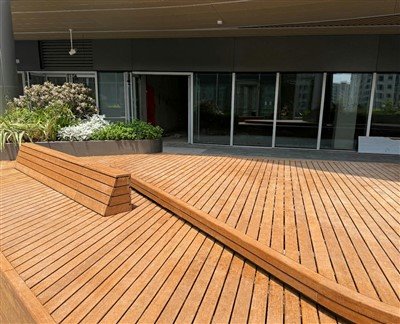
Let’s start with the basics that matter most for offices: durability. Offices see a lot of daily wear—foot traffic in hallways, accidental knocks from rolling chairs, and the occasional coffee spill. Bamboo is often mistaken for a soft, delicate material, but nothing could be further from the truth. Unlike wood, which is porous and prone to dents and scratches, bamboo has a Janka hardness rating of around 1,380 lbf (pounds-force) for solid strand-woven varieties. For context, oak clocks in at 1,360 lbf, so it’s nearly as hard as the hardwood we’ve relied on for furniture and flooring for centuries. I’ve installed our cladding in coworking spaces where employees lean against walls, move desks, and even hang small signage, and after three years, the panels still look as smooth as the day we put them up. The key here is the manufacturing process: high-quality bamboo cladding is pressure-treated to seal its natural pores, which makes it resistant to moisture, scuffs, and even mild impacts—perfect for high-use office environments.
Next, there’s the elephant in the room (or, in this case, the office): sustainability. Modern workers, especially younger generations, prioritize brands that align with their values, and that includes office spaces. Bamboo is a fast-growing grass, not a tree, which means it’s harvested without clear-cutting entire forests. A single bamboo stalk can reach full maturity in 3 to 5 years, compared to 20 to 80 years for most hardwoods. What’s more, when you harvest bamboo, the root system remains intact, so it regrows quickly without needing to replant. This makes it a far lower-impact material than traditional wood, and many bamboo suppliers (including us) use eco-friendly finishes—low-VOC stains and sealants that don’t off-gas harmful chemicals. For offices, that translates to better indoor air quality. Studies have shown that low-VOC materials reduce symptoms like headaches and eye irritation, which can drag down employee productivity. I’ve heard from clients who switched to bamboo cladding that their teams mention the air feels fresher, even in windowless conference rooms. That’s a small change that adds up to a happier, more focused workforce.
Of course, functionality is non-negotiable for office walls. Offices need spaces that work for meetings, quiet work, and casual collaboration, and bamboo cladding adapts to all of it. One of my favorite features is its versatility in design. Our panels come in a range of finishes—from smooth, natural matte to darker, stained tones that mimic teak or walnut. We also offer different installation styles: horizontal, vertical, or even a mix of both for accent walls. For a startup open office, a horizontal bamboo wall adds warmth without feeling too formal, while a law firm might opt for a darker, vertically aligned finish to convey professionalism. Bamboo’s sound-dampening properties are another big win. Office noise is a major productivity killer—studies show that excess chatter and hallway commotion can reduce focus by up to 60%. Unlike hard, sound-reflective drywall, bamboo has a slightly porous structure that absorbs mid-range noise, making it ideal for partitioning quiet work nooks or lining hallway walls. I installed a bamboo-cladded accent wall in a remote team’s conference room last year, and they reported that meetings felt less echoey, so they could discuss sensitive topics without worrying about the whole office overhearing.
That said, bamboo isn’t without its considerations, especially for offices that might be in humid climates or have high-moisture areas (like break rooms or server closets). If installed correctly, bamboo cladding can handle moisture, but it’s important to choose the right type. For high-humidity spaces, solid strand-woven bamboo is better than thinner, veneered panels because it has a denser structure that resists warping. It’s also critical to work with a supplier who provides pre-finished panels or offers proper post-installation sealing. I always advise clients to avoid installing raw bamboo panels directly against concrete or damp walls—we include a moisture barrier in every installation kit to prevent condensation from seeping into the bamboo. Another common question: does bamboo hold up to commercial cleaning? Yes, as long as you use mild, pH-neutral cleaners. Harsh chemicals can strip the finish, but a soft cloth and a gentle cleaner will keep your walls looking fresh for years.
I’ve seen bamboo cladding transform office spaces in ways that go beyond aesthetics. Last year, we worked with a small marketing agency that was struggling with high employee turnover. They renovated their entire office, replacing all the beige drywall with our matte bamboo panels, adding built-in shelves made from bamboo, and even using bamboo for their reception desk. Within six months, their HR team reported a 20% drop in voluntary departures. It’s not that bamboo is a magic fix, but it created a space that felt intentional and cared for—something employees valued. Bamboo also has a timeless quality, so it won’t feel dated in five years, which is a big plus for offices that don’t want to renovate every few years.
If you’re considering bamboo wall cladding for your office, the first step is to think about your specific needs. Are you designing a new space from scratch, or renovating an existing one? Do you need panels for accent walls, full room cladding, or sound-dampening partitions? What’s your climate, and how much daily wear will the walls see? As a supplier, I don’t push a one-size-fits-all solution. We work with clients to customize panel sizes, finishes, and installation styles to fit their budget and design goals. For example, a small startup might opt for a single bamboo accent wall to add warmth without overspending, while a larger corporation might choose full-wall cladding across multiple floors.
I know many office managers and designers worry about cost. In the short term, bamboo might seem slightly more expensive than vinyl or basic drywall, but when you factor in its durability and low maintenance, it’s a smart long-term investment. Our panels come with a 15-year warranty against warping, scratching, and fading, which is far longer than the 2 to 5 years you get with many synthetic wall products. Plus, the sustainability angle can help with employee retention and even brand image—many clients use their use of eco-friendly materials as part of their corporate social responsibility (CSR) messaging, which resonates with customers and talent alike.
So, to circle back to the original question: Can bamboo wall cladding be used in offices? Absolutely. It’s durable, sustainable, adaptable, and can actually improve the work environment for employees. It’s not just a trendy material—it’s a practical choice that checks all the boxes for modern offices. Whether you’re looking to add a subtle warm accent or fully transform your workspace, bamboo cladding delivers.
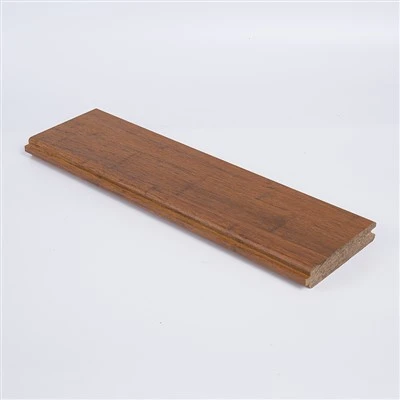
If you’re ready to explore bamboo wall cladding for your office, reach out to our team to discuss your project, ask questions about finishes, and get a customized quote. We’re here to help you create a space that’s both functional and inspiring.
Bamboo Fence References
- National Building Specification. (2022). Environmental Product Declarations for Bamboo Building Materials.
- Wood Science and Technology Laboratory. (2021). Janka Hardness Ratings for Bamboo and Common Hardwoods.
- World Green Building Council. (2020). Health, Wellbeing, and Productivity in Commercial Workspaces.
- Bamboo Industry Association. (2022). Sustainable Harvesting and Manufacturing Practices for Bamboo Products.
- Journal of Environmental Psychology. (2019). Natural Materials in Workspaces: Impacts on Focus and Employee Satisfaction.
Ningguo Kungtai Bamboo and Wood Co., Ltd.
As one of the most professional bamboo wall cladding manufacturers and suppliers in China, we warmly welcome you to wholesale bulk customized bamboo wall cladding from our factory. If you have any enquiry about quotation, please feel free to email us.
Address: East of Huanggang Road, Ningdun Town, Ningguo City, Anhui Province
E-mail: office@hh-bamboo.com
WebSite: https://www.kungtaibamboo.com/
