When I first started working in fasteners over a decade ago, I used to mix up structural fasteners with the small, everyday hardware I picked up at my local home improvement store—you know, the kind that holds a picture frame together or secures a cabinet handle. It took me a while to learn that structural fasteners are a whole different beast: they’re not just for holding parts in place, they’re for transferring loads, resisting extreme forces, and keeping entire structures safe for decades. If you’re new to construction, manufacturing, or even just curious about what goes into building bridges, skyscrapers, or heavy machinery, understanding structural fasteners isn’t just a nice-to-have—it’s non-negotiable. Let me break this down like I do with new clients who come to my shop confused about which fastener they actually need. Fasteners

First, let’s get clear on the definition. A structural fastener is a mechanical component designed to connect two or more structural elements, transferring applied loads (like tension, compression, shear, or torque) between them while maintaining the integrity of the assembly over its intended lifespan. Unlike general-purpose fasteners, which prioritize ease of installation or cosmetic appeal, structural fasteners are engineered to meet strict performance standards set by industry bodies. Think of them as the “skeleton muscles” of any built structure—without strong, well-matched fasteners, even the most well-designed beam will fail under pressure. I see this mistake all the time: contractors using a standard bolt meant for wood furniture to secure a steel bridge beam, and nine times out of ten, that leads to costly reworks or, worse, safety risks.
Now, what sets structural fasteners apart from those small store-bought ones? It’s all about their design, material, and testing. Take a ¼-inch machine screw you’d use to attach a shelf bracket to a wall. It’s made of soft steel, has a low tensile strength, and isn’t tested for heavy loads. A structural bolt of the same nominal size? It’s made of quenched and tempered alloy steel, has a tensile strength of 120,000 psi or more, and goes through rigorous pull testing, torque testing, and corrosion resistance checks. Also, structural fasteners are standardized—there are specific dimensions, thread patterns, and load ratings that have to be consistent across manufacturers, so you know you’re getting a reliable product every time. When I source structural fasteners for my clients, I only work with suppliers that have their products certified by groups like the American Institute of Steel Construction (AISC) or the International Organization for Standardization (ISO)—no exceptions.
Let’s talk about the main types of structural fasteners you’ll encounter in different industries, because one size never fits all. First up: structural bolts. These are the workhorses of construction, used to connect steel beams, columns, and girders in buildings and bridges. They come in two primary grades: ASTM A325 for general structural applications, and ASTM A490 for high-stress areas, like bridge connections or high-rise building cores. A325 bolts are typically used for standard steel-to-steel connections, while A490 bolts can handle up to 150,000 psi of tensile strength, making them ideal for heavy-duty projects. I once supplied a set of A490 bolts for a pedestrian bridge in the Pacific Northwest—they had to handle extreme wind, salt air from the nearby coast, and the weight of hundreds of visitors a day. That job’s 5 years old now, and we haven’t had a single return, which is exactly what structural fasteners are supposed to deliver.
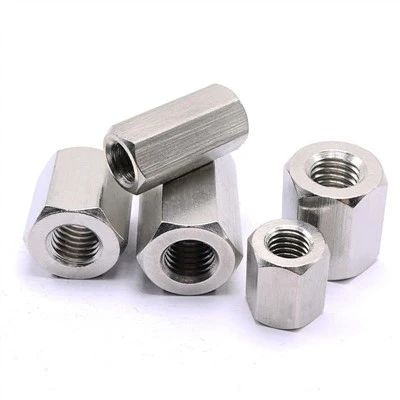
Next, there are nuts, specifically structural heavy hex nuts that pair with those structural bolts. These aren’t the thin, decorative nuts you use for a toy car—they’re thicker, harder, and designed to distribute the load evenly across the bolt’s threads. If a nut is too thin, it’ll strip or crack when you tighten it down, which is a major failure point. I always tell my clients: never skimp on the nuts. For every bolt, use a matching structural heavy hex nut, not a general-purpose one. Then there’s washers—again, structural washers, specifically flat washers and lock washers for structural applications. Flat washers spread the load of the bolt or nut across the surface of the structural element, preventing it from digging into the steel or wood. Lock washers (or, more commonly today, prevailing torque nuts) keep the fastener from loosening due to vibration—think of the movement of a train bridge or a factory floor, where even a small loosening of a bolt can turn into a big problem over time.
Moving beyond steel construction, there are structural fasteners for other materials, like structural screws for wood and composite structures. These aren’t the deck screws you buy in bulk at the big box store. Structural wood screws, also called heavy-duty construction screws, have coarse threads that grip deep into wood, a sharp point that eliminates pre-drilling for most applications, and a high corrosion resistance rating. They’re used in things like timber frame homes, outdoor decks, and utility poles. A few years back, I worked with a residential contractor building a custom timber frame cabin in the Rockies—they needed fasteners that could handle snow loads, temperature swings, and years of UV exposure. We specified structural wood screws with a hot-dip galvanized coating, and the client told me last year that the cabin’s structure is still as solid as the day it was built.
For aluminum structures, like in aircraft manufacturing or light-frame commercial buildings, there are structural rivets and blind rivets. Structural rivets are permanent fasteners that form a tight, strong connection when installed, making them ideal for aluminum assemblies that don’t need to be taken apart. Blind rivets, which you can install from one side of a material, are perfect for places where you can’t access the back of the connection—like the outer shell of an airplane fuselage. These fasteners are lightweight but incredibly strong, which is why they’re used in industries where every pound of weight matters. I recently supplied structural blind rivets to an aerospace parts maker, and their quality team checked each batch for shear strength and grip length to make sure they met their strict standards.
Now, let’s get into the applications, because this is where structural fasteners do their real work. They’re everywhere, even if you don’t notice them. In commercial construction, they connect steel beams in skyscrapers—without them, a 50-story building would collapse. In bridge construction, structural bolts hold the steel trusses together, and they’re designed to handle dynamic loads, like traffic, wind, and even earthquakes. In manufacturing, they’re used to assemble heavy machinery, like conveyor systems in mines or industrial robots in car factories. Even in renewable energy, structural fasteners secure the steel frames of wind turbines and solar panel mounts, which have to withstand extreme weather in remote locations. I once had a client in the solar industry come to me with a problem: their existing fasteners were corroding and failing after just two years in the desert. We switched them to hot-dip galvanized structural bolts, and now those same panels have been up for 7 years with zero issues. That’s the difference between a structural fastener and a regular one.
What about common mistakes people make with structural fasteners? I’ve seen so many over the years, and most of them are avoidable. The first is mismatching fasteners to the load. If a connection is going to carry a high shear load, using a tension-only bolt is a recipe for failure. Another mistake is incorrect installation—torquing a bolt too loose or too tight. A bolt that’s under-torqued will loosen over time, while one that’s over-torqued can snap or strip the threads. I always tell clients to use a calibrated torque wrench for structural fastener installation, not a standard hand wrench. Another big mistake is using non-certified fasteners. A lot of cheap, unbranded fasteners on the market say they’re structural, but they haven’t gone through the required testing. I once had a contractor bring me a batch of cheap bolts he bought online—when we tested their tensile strength, they were only half of what was claimed. I had to help him pull out all the bolts and replace them, which cost him way more than if he’d just bought certified ones in the first place.
So, when do you need to reach out to a fastener supplier for structural fasteners, rather than going to a big box store? If your project involves connecting structural elements—steel, wood, aluminum, or any heavy-duty assembly—you need certified, tested structural fasteners. My team works with small contractors and large construction firms alike, so I can source everything from a single structural bolt to bulk orders for a skyscraper project. We also help clients figure out exactly which fastener they need—sometimes it’s not just about the size, but the material, coating, and grade. For example, if your project is in a coastal area, you’ll need fasteners with a higher corrosion resistance, like hot-dip galvanized or stainless steel. If it’s in a seismic zone, you might need fasteners designed to withstand dynamic loads, like A490 bolts with additional shear testing.
At the end of the day, structural fasteners are the unsung heroes of almost every built structure. They’re not flashy, but their performance keeps people safe and structures standing strong. If you’re working on a project that requires structural fasteners—whether it’s a bridge, a skyscraper, a timber cabin, or industrial equipment—I’m here to help. We carry a full line of certified structural fasteners, and my team can answer any questions you have about which fastener is right for your specific application. Don’t take chances with untested fasteners—contact my team today to discuss your needs, and we’ll make sure you get the right products for your project.
Fasteners References
- American Institute of Steel Construction. (2022). Structural Fastener Design and Installation Manual.
- International Organization for Standardization. (2019). ISO 898-1: Mechanical Properties of Fasteners Made of Carbon Steel and Alloy Steel – Part 1: Bolts, Screws and Studs, Grades 3.6 to 12.9.
- National Association of Home Builders. (2021). Structural Wood Fasteners: Selection and Installation Guidelines.
- Society of Automotive Engineers. (2020). SAE AS7917: Structural Blind Rivets for Aerospace Applications.
Ningbo Jinghao Warm Upsetting Hydraulic Technology Co., Ltd.
As one of the most professional fasteners manufacturers and suppliers in China, we offer a wide range of products with superior quality. Please feel free to wholesale bulk customized fasteners from our factory. For quotation, contact us now.
Address: 32-1, Phase II, Wanyang Innovation & Entrepreneurship City, Shipu, Xiangshan County, Ningbo City
E-mail: 13736096018@163.com
WebSite: https://www.warmherding.com/
