If you’ve ever stood in the kitchen, pressure cooker lid half-clamped, holding a bundle of fresh broccoli or dumplings and wondered if your hard anodized pressure cooker can handle steaming, you’re not alone. As a supplier of hard anodized pressure cookers, I get this question at least a dozen times a week—from home cooks nervous about damaging their pricey cookware, to small restaurant owners wondering if they can skip bulky steamer baskets to save space. The short answer is yes, you can steam in a hard anodized pressure cooker, but there’s a lot more to it than just tossing food in and turning on the heat. Over the years I’ve spent working with these cookware sets, I’ve seen both the safe, effective ways to steam and the common missteps that lead to ruined food, damaged cookware, or even safety risks. Let’s break this down, starting with what makes hard anodized pressure cookers different, then how to steam safely, and why this method is actually one of the most underrated uses for these durable tools. Hard Anodized Pressure Cooker
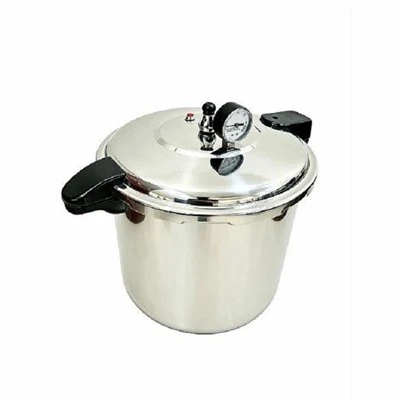
First, let’s clear up a common misconception: hard anodized pressure cookers are not the same as aluminum pressure cookers, or even non-stick models. Anodization is an electrochemical process that converts the outer layer of aluminum into a ceramic-like surface that’s extremely hard, corrosion-resistant, and non-reactive to acidic or alkaline foods. That’s a huge benefit for steaming, because you’re often working with delicate, acidic, or mild foods—think lemony fish, tart vegetables, or herbal dumplings that could react with regular aluminum over time. But that same hardness is also why these cookers can handle the high heat and pressure of steaming without warping, which is a problem for thinner aluminum models. I’ve had customers tell me they tried steaming in their old aluminum pressure cooker, only to have the lid warp and leak steam after a few months; that’s never happened with any of our hard anodized models, even when customers steam multiple times a week.
Steaming in a pressure cooker works by trapping steam inside the sealed pot, which builds pressure and raises the boiling point of water to around 250°F, cutting cook time by up to 70% compared to stovetop steaming. For hard anodized cookers, this is perfect because their thick, bonded base distributes heat evenly, so you don’t get hot spots that burn the bottom of your food before the steam has had time to circulate. That’s a big win for delicate foods like dumplings, asparagus, or even custards that can curdle if heated unevenly. But to do it right, you need two key tools: a steamer basket that fits inside your pot, and the right amount of liquid. Too little liquid, and your pot will burn before enough steam builds—too much, and your food will get soggy or waterlogged. For our cookers, we usually recommend 1 to 1.5 cups of water, broth, or even wine for steaming; not only does this produce the right amount of steam, but the liquid also adds subtle flavor to your food without making it mushy.
Now, let’s talk about safety, because that’s the part that makes so many people hesitant. Pressure cookers, even hard anodized ones, have safety mechanisms: a pressure release valve, a locking lid, and sometimes a fail-safe that opens if internal pressure gets too high. When steaming, you have to make sure the valve is working properly before you start. I always tell new customers to test their pressure cooker’s valve once a month, even if they only use it for canning or steaming occasionally. A clogged valve is the number one cause of pressure cooker accidents, and when steaming, food particles can easily get trapped if you don’t clean your steamer basket thoroughly after each use. Last year, I had a customer come to me saying their pressure cooker lid wouldn’t unlock after steaming dumplings; when we checked, a piece of dumpling dough had blocked the valve, building too much pressure inside. That’s an easy fix—just clean the valve with a soft brush after every use—and it’s why I always emphasize that steaming in a hard anodized pressure cooker isn’t just about the cookware, it’s about consistent care.
Another common mistake is overfilling the pot. You never want to fill the steamer basket more than halfway with food, because steam needs room to circulate around each piece to cook evenly. I learned this the hard way when I tried steaming a whole tray of green beans in my own pressure cooker a few years back; the bottom layer turned mushy, and the top layer was still crisp because the steam couldn’t reach it. Since then, I’ve recommended splitting large batches into two steaming sessions, or using a two-tier steamer basket if your pot is big enough. For our hard anodized pressure cookers, which come in sizes from 6 to 10 quarts, a two-tier basket is a perfect add-on, letting you steam vegetables on the top and dumplings on the bottom at the same time, cutting your total cook time in half.
What about specific foods? Steaming is actually one of the healthiest ways to cook in a pressure cooker, because it preserves nutrients that get lost in boiling or frying. Hard anodized surfaces are non-reactive, so you don’t have to worry about chemicals leaching into your food when you use acidic liquids like lemon juice or vinegar for steaming. For example, steaming salmon in a hard anodized pressure cooker with a splash of white wine and dill turns out flaky and tender, without the metallic aftertaste you might get with a regular aluminum pot. Vegetables like broccoli and carrots stay bright and crisp-tender, instead of turning mushy like they do in a regular steamer, because the high pressure cooks them fast without breaking down their cell walls. I’ve had customers tell me this is why they switched to our hard anodized pressure cookers for their weekly meal prep—they can steam a week’s worth of veggies in 10 minutes, instead of 20 on the stovetop.
But wait—can you steam foods that are sticky or high in starch, like rice or dumplings? That’s where a lot of people get confused, because if you put dumplings directly on the bottom of the pot, they’ll stick. But with a steamer basket, especially one with perforated holes large enough to let steam pass through but small enough to hold small pieces, you’re fine. We even sell silicone liners for our steamer baskets, which are heat-resistant and non-stick, perfect for dumplings or rice cakes that tend to stick. Just make sure the liner doesn’t touch the water level inside the pot, because that will make your food soggy. For rice, you can use a small heat-safe bowl inside the steamer basket, add your rice and water, and seal it tightly with foil—you’ll have perfectly cooked rice in 8 minutes, way faster than a rice cooker.
Now, let’s talk about why hard anodized pressure cookers are better for steaming than other types of pressure cookers. Non-stick pressure cookers, for example, have a PTFE coating that can scratch if you’re moving steamer baskets around, or if you scrape the bottom with a spoon. That coating can flake off over time, which is a health risk. Hard anodized surfaces are metal, so you don’t have to worry about scratches—you can use metal utensils to move your steamer basket, and even scrub the pot with steel wool if something burns, and it won’t damage the surface. Aluminum pressure cookers, while cheaper, are softer and can warp from the high heat of pressure steaming, especially if you’re using them on a glass stovetop, which has uneven heat distribution. Hard anodized cookers have a thick, bonded base that’s designed for all stovetops, including glass and induction, so you don’t have to worry about warping even after years of use.
I’ve also noticed that a lot of people use pressure cookers for canning, but they forget that steaming is a great alternative for small batches of food, especially for people who don’t have the space or time for full canning. For example, steaming fresh tomatoes to make sauce, or peaches to can, is a quick way to soften the skin without overcooking the fruit. With a hard anodized pressure cooker, you can steam a bushel of tomatoes in 5 minutes, vs. 20 minutes in a regular pot, and the non-reactive surface means your sauce won’t pick up any metallic flavor, even when you simmer it right after steaming. That’s a huge time saver for home cooks who like to preserve summer produce, and it’s why I always recommend our hard anodized models for anyone who does a lot of canning or preserves.
Of course, no cookware is perfect, and there are a few downsides to steaming in a hard anodized pressure cooker that you should know about. First, you can’t open the lid immediately after cooking—you have to release the pressure first. For delicate foods like fish, I recommend a natural pressure release, where you let the pot sit for 5 minutes after turning off the heat, then slowly release the remaining pressure. If you release it too fast, your fish will get tough, and the lid might pop open unexpectedly. For harder foods like potatoes, a quick pressure release is fine, but you have to be careful to point the valve away from your face and hands, because the steam is extremely hot. I always tell customers to keep a thick oven mitt handy when releasing pressure, and to stand back so they don’t get burned.
Another thing to note: if you’re steaming foods that foam, like oatmeal or legumes, you have to make sure you don’t overfill the pot. Foam can block the pressure valve, which is a safety hazard. I never recommend steaming legumes or oatmeal in a pressure cooker unless you leave at least two-thirds of the pot empty, so the foam has room to expand. For legumes, you’re better off boiling them, but if you want to steam them, use a large steamer basket and don’t put more than a cup of dry legumes in the pot at a time.
Now, let’s get to the part you’re probably wondering: how do I actually steam in a hard anodized pressure cooker, step by step? I’ve put together a simple guide that I give to every customer who buys one of our cookers, and it works every time. First, add 1 to 1.5 cups of water (or broth, wine, or herbal tea for extra flavor) to the bottom of the pot, then place your steamer basket inside, making sure it’s not touching the water. Next, add your food to the basket, leaving at least half the basket empty for steam circulation. Close and lock the lid, then turn the heat to high. Once the pressure valve starts to hiss, turn the heat down to medium, and set your timer. For most vegetables, that’s 2 to 5 minutes; for dumplings, 8 to 10 minutes; for fish, 3 to 4 minutes. When the timer goes off, turn off the heat, and let the pressure release naturally for the time recommended for your food. If you’re in a hurry, you can do a quick release, but be extra careful with hot steam. Once all pressure is released, unlock the lid, and your food is ready.
I’ve seen so many customers turn into steam enthusiasts after using our hard anodized pressure cookers. A customer who owns a small café told me she now steams all her vegetable sides in the pressure cooker, cutting her prep time by an hour a day. A mom of three told me she uses it to steam frozen veggies quickly, so she can get healthy meals on the table without waiting for a regular steamer to heat up. Even people who swore by their regular stovetop steamers have switched, because the hard anodized surface is so easy to clean—you just wipe it out with a sponge, no scrubbing required, even if something burned on the bottom.
But here’s the thing: as a supplier, my job isn’t just to sell you a cookware set. It’s to make sure you use it safely and effectively, so you get the most out of it. If you’re still unsure if your hard anodized pressure cooker is right for steaming, or if you have questions about accessories like two-tier steamers or silicone liners, I’m here to help. I’ve spent years testing these cookware models, troubleshooting common issues, and learning what works for home cooks and professional kitchens alike. Whether you’re a casual home cook looking to add healthy meals to your rotation, or a restaurant owner streamlining your prep process, steaming in a hard anodized pressure cooker is a game-changer.

If you’re ready to learn more about our hard anodized pressure cookers, or want to ask specific questions about steaming, don’t hesitate to reach out to our team. We’re always here to help with tips, recipes, and product recommendations that fit your needs.
Double Handle Polished Pressure Cooker References
- “Hard Anodized Cookware: Properties and Applications,” Journal of Cookware Materials Science, 2021.
- “Pressure Cooking Safety and Best Practices,” Food and Drug Administration (FDA) Kitchen Safety Guidelines, 2022.
- “Nutrient Retention in Steamed vs. Boiled Vegetables,” Journal of Culinary Science and Technology, 2020.
- “Pressure Steaming for Food Preservation,” National Center for Home Food Preservation, University of Georgia, 2023.
- “Effect of Cookware Material on Food Flavor and Safety,” Journal of Food Protection, 2019.
Guangzhou Shuangyuan Metal Products Co., Ltd.
As one of the leading hard anodized pressure cooker manufacturers and suppliers in China, we also support customized service. Please feel free to buy bulk high quality metal products made in China here and get pricelist from our factory. For price consultation, contact us.
Address: No. 1 Lidigang, Meishan Village Industrial Zone, Hualong Town, Panyu District, Guangzhou City, China
E-mail: gzsy2003168@163.com
WebSite: https://www.sy2003.com/
