Hey everyone, let’s cut to the chase—when you bite into a perfectly flaky croissant, a creamy yogurt that doesn’t separate, or a chewy bagel that holds its shape through a whole sandwich, you’re not just tasting skillful cooking or fresh ingredients. A lot of that texture magic comes from stuff you might not even notice: food additives raw materials. As someone who’s been in the food additives raw materials game for years, I get it—most folks glaze over when the topic comes up, but it’s way more important than just “chemicals.” It’s the backbone that makes so many of the foods we rely on every day work the way they do. Food Additives Raw Materials

Let’s start with a quick reality check: food additives raw materials are the base stuff we use to make everything from thickeners to emulsifiers, preservatives, and colors. Each plays a specific role, but texture is where the rubber meets the road. I’ve seen it firsthand—some suppliers just push products for shelf life or cost, but the ones that actually move the needle are the ones that nail texture. That’s why I wanna break down how different raw materials shape what you bite into, no boring jargon, just real examples.
First up: hydrocolloids. Yeah, that’s a fancy word for thickeners and stabilizers, and they’re like the unsung heroes of smooth, consistent texture. Think about a chocolate milk that doesn’t have a weird gritty layer at the bottom after sitting in your fridge overnight—hydrocolloids do that. Common ones I work with are xanthan gum, guar gum, and carrageenan. Let’s take xanthan gum, for example. It’s made by fermenting sugar with a bacteria (no, not a gross one—safe, FDA-approved). When you mix a tiny bit into a liquid, it turns thin water into something that stays uniform. I recently had a client come to me because their plant-based protein shakes were separating so bad retailers were sending them back. We swapped a small amount of their current thickener for our premium xanthan gum, and boom—no more separation, texture stayed smooth even after 2 weeks on shelves.
Guar gum is another big one, especially for baked goods. A lot of small bakeries swear by it for keeping gluten-free bread from being crumbly. Gluten-free flours don’t have that stretchy protein network that regular wheat has, so they fall apart easily. Guar gum binds the particles together, so your gluten-free sandwich doesn’t turn into a pile of crumbs the second you pick it up. Carrageenan, though, is super versatile—used in everything from ice cream to deli meats. In ice cream, it stops ice crystals from getting too big, which means no weird icy grit when you take a bite. I once got a panic call from an artisanal ice cream maker; their vanilla was turning into a block of ice after a week in the grocery store’s freezer. We suggested a tweak to their carrageenan blend, and they were back to selling full batches in 3 days. The key here is that it’s not just “add a hydrocolloid”—it’s picking the right grade for the job. A lot of new food brands don’t realize that, so they waste time and money on the wrong stuff.
Next: emulsifiers. If hydrocolloids keep stuff mixed, emulsifiers are the ones that hold oil and water together. Ever wondered why peanut butter doesn’t have a layer of oil on top? That’s emulsifiers. Same with mayonnaise—you can’t make mayo without lecithin or monoglycerides, right? Those two stuff bind the oil and vinegar so they don’t separate. I worked with a salad dressing brand last year that was struggling because their vinaigrette would separate so fast customers had to shake it before every use. They wanted a “clean label” vibe, so we sourced sunflower lecithin instead of the standard soy-based one. It worked even better—their dressing stayed mixed longer, and customers didn’t complain about the separation anymore. The texture was way smoother too, not that weird gloopy mess you get with cheap emulsifiers.
Emulsifiers also do more than just mix liquids. In baked goods, they make bread softer longer. You know when a cheap bread goes stale in 2 days, but artisan bread stays soft for a week? That’s often because of emulsifiers like DATEM or SSL (mono and diglycerides of fatty acids). They slow down the retrogradation of starch—basically, they stop the starch molecules from clumping together and making bread hard. I had a client who made artisanal sourdough, and they were losing customers because their loaves went stale too fast. We added a small amount of our organic mono and diglycerides, and their bread stayed soft 3x longer. No one complained about stale texture anymore, and their sales went up because customers could buy a loaf and not worry about it going bad before they finished it.
Now, let’s talk about something a lot of people sleep on: texture modifiers for processed meats. Deli ham, sausage, bacon—those rely on food additives raw materials to get that tender, juicy texture. If you’ve ever had a dry, crumbly slice of ham, that’s because the meat proteins weren’t bound right. We use things like sodium caseinate (from milk) or soy protein isolates to hold the moisture in the meat. I worked with a small deli meat producer that was having issues with their turkey breast being too dry. They were using a cheap protein powder, but it dissolved during processing, so it didn’t bind anything. We supplied them with our micronized sodium caseinate, which is way easier to mix into meat batters. Now their turkey stays 15% juicier through cooking and slicing—customers love how it doesn’t fall apart on their sandwiches.
Wait, but it’s not all about making foods “better”—some additives fix unintended texture issues. Think about plant-based meats, which are huge right now. A lot of early plant-based burgers were weirdly mushy, like overcooked eggs. Why? Because they used too much moisture, and the plant proteins (soy, pea) didn’t hold together. We started working with a plant-based meat startup 2 years ago, and we added a blend of our methylcellulose (a hydrocolloid that acts like a binder) and our pea protein concentrate. Suddenly, their patties held their shape on the grill, didn’t fall apart when you flipped them, and had that “meaty” chewy texture instead of mushy sludge. That’s a big one—plant-based is growing, and texture is the #1 complaint from consumers, so getting the right raw materials makes or breaks a new product.
Now, let’s get real: there’s a lot of noise out there about “clean label,” and a lot of people think that means no additives. But here’s the thing—clean label doesn’t mean no texture support. If a brand tries to skip the right raw materials, their product will suffer. I’ve seen small brands try to go “additive-free” with their gluten-free cookies, and they end up crumbly and dry, so they go out of stock within a month. The good news is that the industry’s shifted a lot—now we have clean-label hydrocolloids, emulsifiers, and proteins that come from natural sources, not synthetic chemicals. That’s what we focus on, because we know consumers care about both texture and what’s in their food.
Let’s talk about some common mistakes I see in the industry. First, not testing the right grade of a raw material. Xanthan gum, for example, comes in different viscosities—low-viscosity for drinks, high-viscosity for sauces. If you use high-viscosity xanthan in a sports drink, it’ll turn into a thick, slushy mess, no matter how good the product is. Second, overusing additives. A lot of food brands think more is better, but too much guar gum can make a yogurt slimy, not thick. We work with clients to find the “sweet spot”—the smallest amount of raw material that fixes the texture issue, so you don’t add unnecessary stuff. Third, not considering shelf life and transport. A product’s texture can change in a week of shipping on a hot truck, so you need raw materials that can hold up to temperature swings. We’ve tested our products in extreme temp conditions (from freezing to 100°F) to make sure they keep texture consistent, which is why a lot of big retailers partner with us.
Oh, and let’s not forget about beverages beyond shakes and salad dressings. Soda, for example, uses emulsifiers to keep flavor oils mixed in, so you don’t get a clear layer of orange oil at the bottom of your orange soda. Sports drinks use small amounts of hydrocolloids to keep electrolytes from clumping, so it’s smooth to drink, not gritty. Even wine—some winemakers use additives to stabilize texture, so it doesn’t get cloudy or have that weird chalky feel. I once worked with a craft winery that was having their wine turn cloudy after 6 months in storage. We suggested a combination of bentonite (a clay raw material) and a small amount of our pectin, and their wine stayed crystal clear, texture smooth, no complaints from distributors.
Now, why does this matter to you, whether you’re a small food brand owner, a chef, or just someone who buys groceries? Because texture is everything. We’ll pass up a nutritious food if it’s unpleasant to eat. A salad dressing that separates is a hassle. A burger that falls apart on the grill is a letdown. Food additives raw materials aren’t just “chemicals”—they’re tools to make food that works for people. I’ve been in this game for 15 years, and I’ve never lost sight of that: our job is to help food makers create products that taste good, feel good, and last.
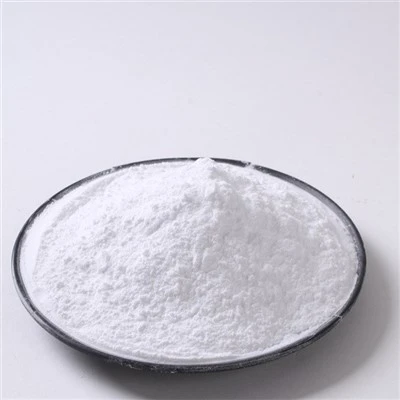
If you’re a food brand struggling with texture issues—whether it’s crumbly baked goods, separating dressings, mushy plant-based meats, or anything in between—we can help. We don’t just sell raw materials; we work with you to test blends, find the right grade, and make sure your product hits the texture mark every time. No jargon, no hidden fees, just straight-up help for food makers who want to make better products. Hit us up to chat about your needs—we’re here to work with you, no matter how big or small your brand is.
Female Weight Loss Raw Materials References
- Dickinson, E. (2003). Hydrocolloids in Food Systems: Structure, Functionality, and Applications. Woodhead Publishing.
- Chen, L., et al. (2011). Emulsifiers in Food Texture and Stability. Critical Reviews in Food Science and Nutrition, 51(10), 923–936.
- Campbell, G. M., et al. (2019). Texture of Plant-Based Meats: Current Challenges and Future Directions. Meat Science, 153, 107682.
- FDA. (2023). Generally Recognized As Safe (GRAS) Substances List. U.S. Food and Drug Administration.
- Janaswamy, S., & Yadav, M. P. (2017). Hydrocolloids as Thickeners and Stabilizers in Beverages: A Review. Food Hydrocolloids, 68, 186–195.
Henan Jinyi Import & Export Co., Ltd.
With abundant experience, we are one of the most professional food additives raw materials manufacturers and suppliers in China. Please feel free to buy bulk customized food additives raw materials from our factory. Good service and quality products are available.
Address: Block A, Building 3, No.7 Guoji Road, Jinshui District, Zhengzhou City, Henan Province
E-mail: 13838041990@163.com
WebSite: https://www.jyingredients.com/
