Hey there, PVC Wall Panel
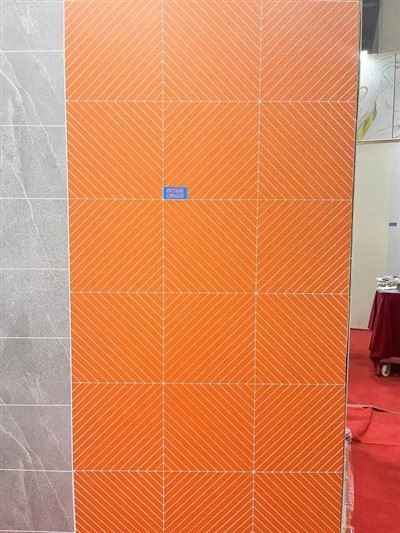
If you’ve ever stayed in a hotel next to a noisy hallway, or cringed when your neighbor’s TV blares through the apartment walls, you know how big of a deal sound insulation is for any space. As a PVC wall panel supplier, I get asked this question all the time: “Do your panels actually block sound, or are they just a pretty face for the wall?” Let’s cut through the confusion, break down the science, and be straight about what PVC wall panels can—and can’t—do when it comes to quiet.
First, let’s start with the basics of how sound travels. Sound is basically waves of vibration that move through air, and when they hit a wall, two things happen: some get absorbed (so they don’t bounce back as echo), and some get transmitted right through the wall structure to the other side. Good insulation means reducing that transmitted sound, which is measured in STC ratings—Sound Transmission Class, a number that tells you how much sound a wall blocks. The higher the STC, the better the insulation. For context, a standard drywall wall is usually around 30 STC, which is enough to muffle regular conversation (that’s roughly 50-60 decibels) in most homes. If you have a party in your living room, you might hear your neighbor’s TV a little—so you want something higher, like 45+ STC, for spaces like offices or multi-family buildings.
Now, let’s talk about PVC wall panels themselves. A lot of people assume they’re just thin plastic sheets, so they must be bad at sound, but that’s not the whole story. Basic PVC panels (the ones you might use in a bathroom or as a quick accent wall) are usually 3-6 mm thick, and their solid PVC core has some density—PVC is heavier than, say, the paper facing on drywall, which helps block sound waves. But here’s the catch: it’s not just the panel. The way you install them makes way more difference than the panel itself. If you nail a thin PVC panel directly over an existing stud wall, the air gaps between the studs and the panel can actually work against you. Sound can bounce through those gaps instead of being blocked, and you might end up with almost no improvement over the original wall. That’s a mistake I see a lot of DIYers make—they buy cheap panels, slap them on without sealing, and wonder why the noise is still there.
But when you install PVC panels the right way, they do add real sound insulation. Here’s the breakdown from our experience: when we work on commercial projects, we use 8 mm thick PVC panels with a dense, closed-cell foam backing. That foam is key—it absorbs sound waves instead of letting them pass through. We also use acoustic sealant between the panel and the wall, and fill any gaps around the edges so there’s no air leaking. In those cases, the STC rating jumps by 10-15 points. So if your original wall was 30 STC, adding a properly installed PVC panel can get you to 40-45 STC, which is enough to block regular conversation. For reference, 40 STC means you’d have to strain to hear someone talking through the wall, and 45 STC means speech is barely noticeable. That’s perfect for retail spaces with quiet storage areas, or even home offices where you don’t want to hear the kids playing in the next room.
Wait, but what about those extra noisy spaces—like gyms, or apartment buildings where you can hear footsteps and loud music? For high-impact sound (that’s the kind from walking, slamming doors, or bass from a speaker), basic PVC panels aren’t going to be enough. Their density is good for airborne sound (voices, TVs), but impact sound needs a thicker, more insulating material. If you’re dealing with that kind of noise, we usually recommend pairing PVC panels with an underlayment of mass loaded vinyl (MLV) between the existing wall and the PVC. MLV is a dense, flexible material that’s specifically designed to block heavy sound waves, and adding it can push your STC rating up to 50+. 50 STC is where you almost can’t hear speech at all—you might feel a vibration, but you won’t make out what someone’s saying. That’s ideal for multi-unit apartment walls or office conference rooms where you need total privacy.
I also want to clear up a common myth: PVC panels don’t create echo on their own, which is a bonus. Echo happens when sound bounces off hard, flat surfaces, so a smooth PVC wall is actually better than a rough, textured drywall wall for reducing echo in spaces like restaurants or community centers. That’s a big plus for commercial properties—they get a wall that blocks sound and makes the space feel less echoey, all in one product. Of course, if you’re dealing with echo alone, you can add ceiling tiles or fabric panels, but PVC wall panels pull double duty for insulation and sound control without extra work.
Now, let’s talk about what makes PVC a solid choice here, beyond just performance. Unlike some other soundproofing materials, PVC panels are moisture-resistant, so they work great in bathrooms, laundry rooms, or pool areas where regular drywall would warp and lose its insulating properties. A lot of soundproofing solutions are bulky, too—like adding multiple layers of drywall, which can make a room feel smaller and require new trim. PVC panels are thin, so they add less than a centimeter to your wall thickness, leaving more usable space. And since they’re easy to install, you don’t have to hire a contractor for big jobs—you can do it yourself in a weekend, which means you’re not paying extra for labor that some other insulation methods demand.
But let’s be honest, it’s not perfect. If you’re looking for the absolute highest STC rating (over 55) for things like recording studios or industrial spaces, PVC panels alone won’t get you there. You’d need a mix of heavy drywall, resilient channels, and multiple insulation layers, which is way more involved. For most everyday spaces—homes, offices, retail, even some apartments—though, properly installed PVC panels check the box for good sound insulation. The main thing is to not just grab any random thin PVC panel from the hardware store and nail it on. Spend a little extra for a thicker panel with a foam backing, and take the time to seal all the gaps with acoustic sealant. That’s where the real magic happens.
We’ve tested this firsthand, too. Last year, we worked with a small marketing agency that had their office next to a busy café. They were complaining that they could hear every customer’s order and the café’s music all day, which made it hard to focus. We installed 8 mm PVC panels with closed-cell foam backing on all the office walls, sealed every seam, and added a small strip of MLV along the back wall where it abutted the café. After we finished, they told us the only café noise they could hear was the faint jingle of the doorbell—nothing else. That’s exactly the kind of result we aim for. Another customer was a homeowner who had a baby’s room next to their living room, and they wanted to hear if the baby cried at night without the TV and music from the living room waking the baby up. We installed 6 mm PVC panels with foam backing, and they said they could hear the baby just fine, but the loud movie nights were completely muffled.
I also want to mention that sound insulation can depend on your specific wall setup. If you have a wall with studs that are filled with fiberglass insulation, adding a PVC panel will boost that even more—fiberglass absorbs sound inside the wall, so the panel blocks it from going through. If your wall is just a single layer of drywall with no insulation, you’ll get a bigger jump from adding a PVC panel. Either way, it’s a cost-effective upgrade compared to tearing out the existing wall and starting over with soundproof materials.
So to sum it up: Do PVC wall panels have good sound insulation? It depends on which kind you get and how you install them. Basic thin panels installed wrong will do almost nothing. Thicker panels with a foam backing, sealed properly, will give you solid STC ratings that block regular conversation and most everyday noise. Add a mass loaded vinyl layer if you’re dealing with louder, more impactful sound, and you’ll get even better results. They’re not the best for extreme soundproofing needs like recording studios, but for 90% of the spaces people are looking to quiet down, they’re a great, affordable option that also works for moisture-heavy areas.
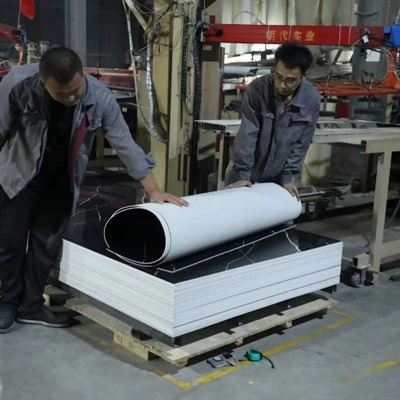
If you’re thinking about upgrading your walls for better sound, or you want to know what kind of PVC panels would work best for your space, don’t overcomplicate it. We can walk you through the right type, how to install it, and make sure you get the STC you need without wasting money on stuff you don’t need. Just reach out, and we can chat through your specific space and noise concerns to find the perfect fit for you.
PU Stone References
- Acoustical Society of America. (2021). Sound Transmission Class (STC) Ratings for Building Materials.
- National Association of Home Builders. (2022). Wall Assembly Sound Insulation Performance.
- Plastic Pipe and Fittings Association. (2020). Properties of PVC Wall Panels for Sound Control.
- Construction Specifications Institute. (2021). Acoustic Sealants and Backing Materials for Wall Installations.
Shandong Fanjie International Trade Co., Ltd.
As one of the most professional PVC wall panel manufacturers in China, we have world-leading production equipment and strong manufacturing capabilities. Please feel free to buy bulk high quality PVC wall panel from our factory. We also accept customized orders.
Address: L4-015 Cross border E-commerce Entrepreneurship Park, Lanshan District, Linyi City, Shandong Province
E-mail: info@lsdec.com
WebSite: https://www.fanzeradecor.com/
