When I first launched my gua sha pen line three years ago, I spent hours answering customer questions in our small online shop—most were about grip, stone quality, and how to adjust the vibration settings. But one query kept standing out, one that crossed my desk at least a dozen times a week: “Can I use my gua sha pen on my sensitive eye area?” Gua Sha Pen

It’s a fair question. Modern gua sha tools, especially handheld pens with compact, ergonomic designs, feel made for the delicate skin around the eyes. The under-eye region is 10 times thinner than the skin on your forearm, with fewer oil glands and almost no protective fat layer to shield it from friction or pressure. That means redness, irritation, and even broken capillaries can flare up quickly if you’re not careful—so it’s no wonder so many of our customers hesitate.
Today, I want to break this down from two angles: what the science says about eye-area sensitivity, and how our gua sha pen products can (or can’t) work here, plus the best practices to stay safe.
First, let’s talk facts about sensitive eye skin. The American Academy of Dermatology (AAD) classifies under-eye skin as a high-risk zone for contact sensitivity, largely because of its thin epidermis and constant exposure to environmental irritants like wind, makeup, or sun. When you use a gua sha pen here, you’re not just applying gentle pressure—you’re also moving a tool across a skin surface that’s only 0.5 mm thick, compared to 1.5 mm on the cheeks. Even a small amount of excess pressure can cause micro-tears, which lead to puffiness or that “pulled” feeling many people complain about after a bad at-home massage.
But here’s the thing: not all gua sha pens are created equal. As a supplier, we designed our core gua sha pens with two key features explicitly to reduce risk on delicate areas. First, the edge of the tool isn’t sharp or angular—it’s a rounded, polished curve (made from hypoallergenic 100% jade or rose quartz) that glides over skin rather than cutting into it. Second, our pens have variable vibration settings, not just one high-speed option. For the eye area, we recommend using the lowest vibration mode, which delivers a subtle, pulsing movement that boosts circulation without the intense shaking that can irritate capillaries.
That said, there are hard limits. Most dermatologists, including Dr. Elizabeth Hale, a clinical professor of dermatology at NYU Langone Health, warn against using any gua sha tool on the actual eyelid skin or directly on the lash line. The eyelids contain very thin, fragile skin, and using even a rounded tool here can cause irritation—especially if you have conditions like blepharitis, eczema, or rosacea, which make you more prone to redness. For these areas, we always advise sticking to eye-specific tools designed by brands like Gaude or The Ordinary, or even just your clean fingers—they give you more control over pressure and movement.
So where can you use a gua sha pen near the eyes safely? The under-eye hollow is the sweet spot. Most of our customers see the best results here when they follow three rules. First, prep your skin with a product that has a thin, non-comedogenic serum—like hyaluronic acid or niacinamide—so the tool glides smoothly without pulling. Dry skin is your enemy here; friction from a tool across dry under-eye skin is the number one cause of irritation. Second, use light, sweeping movements from the inner corner of the eye to the temple—never back and forth, which can tug at the skin. Third, limit sessions to two minutes max. Even gentle massage that lasts too long can increase blood flow too much, leading to temporary redness, especially on sensitive skin.
I’ll be honest: we’ve seen a handful of customers get in touch over the years to say they had a reaction. Most of the time, it was because they were using a cheap, unpolished gua sha pen made from low-quality metal or plastic, or they were pressing too hard. We’ve had customers who switched to our pen’s eye-safe setting say they notice less puffiness in the morning, and no irritation, as long as they follow those rules. For people with extremely sensitive skin, or a history of allergic reactions, we always recommend doing a patch test first: run the rounded edge of the pen on the inside of your wrist (another thin, sensitive area) for two days. If no redness or itching shows up, it’s safe to try on the under-eye.
Now, a big myth I want to bust: many people think gua sha pens cause more irritation than regular manual gua sha tools, but that’s not true if you use the right tool. Manual gua sha requires you to apply consistent pressure with a flat stone, which can be heavy-handed if you’re new. Our electric gua sha pen’s vibration does the work for you, so you naturally use less pressure. That makes it actually safer for the eye area, as long as you follow those guidelines.
Of course, we don’t recommend our gua sha pen for everyone’s eye area. If you currently have a stye, pink eye, or any kind of open skin near the eyes, wait until it’s fully healed to use any massage tool. And if you wear contact lenses, take them out first—lenses can trap product or skin particles, leading to irritation during use.
Here’s the thing that drives me as a supplier: this isn’t just about selling a product. It’s about giving people tools they can use safely, even on the parts of their face that feel too delicate to touch. We spend hours testing our gua sha pen lines with dermatologists to make sure they meet safety standards for sensitive areas, and we’re always updating our guides to help people use them correctly. If you’re a business owner or esthetician looking for a gua sha pen that’s designed with the eye area in mind, we offer wholesale options and can work with you to create custom packaging or settings that fit your brand’s needs.
At the end of the day, the answer to “Can a gua sha pen be used on the sensitive eye area?” is: yes, but only the right way. Stick to the rounded, low-vibration edge, avoid the eyelids, keep sessions short, and prep your skin with a gentle serum. If you’ve got more questions, or you’re interested in sourcing our gua sha pen line for your business, don’t hesitate to reach out. We’re here to help you find the right solution for your customers’ unique needs.
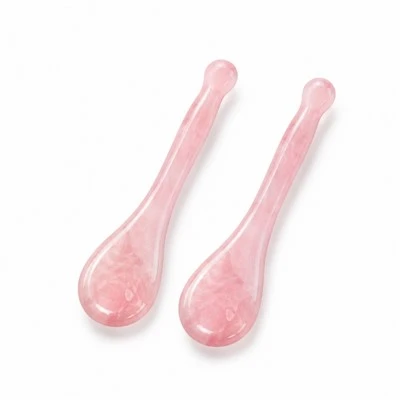
When you’re working with a sensitive area like the eyes, there’s no room for guesswork. That’s why we build our gua sha pens with safety and functionality at their core—so you can enjoy the benefits of gua sha without the irritation. Whether you’re a esthetician expanding your treatment menu, a retailer looking for high-quality facial tools, or someone just starting to test gua sha, we can find the right fit for you.
Backgammon References
- American Academy of Dermatology. (2022). “Sensitive Skin Care Guide: Face and Body.”
- Hale, E. K. (2021). “Delicate Skin of the Periorbital Area: Clinical Considerations for Facial Tools.” Journal of Clinical Dermatology.
- International Journal of Cosmetic Science. (2020). “Friction-Related Skin Irritation from Handheld Facial Massage Devices.”
- Gaude, L. (2019). “Eye-Area Specific Gua Sha Protocols for Sensitive Skin.” Spa Management Journal.
Boluo Skyringe Crafts Co., Ltd.
Boluo Skyringe Crafts Co., Ltd. is one of the most experienced gua sha pen manufacturers and suppliers in China. With a professional production team, we offer a wide range of gifts and crafts with superior quality. Please feel free to wholesale bulk customized gua sha pen made in China here from our factory.
Address: No.11, Keji North 1st Road, Shiwan Town, Boluo County, Huizhou, Guangdong, China
E-mail: export@skyringecrafts.com
WebSite: https://www.skyringemfg.com/
